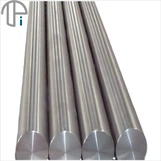
As a dedicated supplier of Pure Titanium Bars, I understand the critical importance of ensuring the quality of these products. Titanium bars are widely used in various industries, including aerospace, medical, and automotive, due to their exceptional strength, corrosion resistance, and biocompatibility. In this blog post, I will share some effective methods for testing the quality of pure titanium bars, which can help both manufacturers and end-users make informed decisions.
1. Visual Inspection
The first step in testing the quality of a pure titanium bar is a thorough visual inspection. This simple yet crucial process can reveal obvious defects such as cracks, scratches, pits, and surface irregularities. A high-quality pure titanium bar should have a smooth, uniform surface without any visible flaws.
When conducting a visual inspection, it is recommended to use proper lighting conditions. A well-lit environment can help you spot even the smallest defects. Additionally, you can use a magnifying glass to examine the surface more closely. If you notice any cracks or deep scratches, it is likely that the bar has been damaged during the manufacturing or handling process, which may affect its mechanical properties.
2. Chemical Composition Analysis
The chemical composition of a pure titanium bar is a key factor in determining its quality. Pure titanium bars should have a high percentage of titanium, typically above 99%. Impurities such as iron, carbon, nitrogen, and oxygen can significantly affect the mechanical properties and corrosion resistance of the bar.
There are several methods for analyzing the chemical composition of a pure titanium bar, including:
- Spectroscopic Analysis: This method uses a spectrometer to measure the emission or absorption of light by the sample. Spectroscopic analysis can provide accurate and detailed information about the chemical composition of the bar, including the concentration of various elements.
- Chemical Analysis: Chemical analysis involves dissolving the sample in a suitable solvent and then analyzing the resulting solution using various chemical techniques. This method is more time-consuming and requires specialized equipment, but it can provide highly accurate results.
As a supplier, we ensure that all our Pure Titanium Bar products undergo rigorous chemical composition analysis to meet the highest quality standards.
3. Mechanical Property Testing
Mechanical property testing is essential for evaluating the strength, ductility, and toughness of a pure titanium bar. The most common mechanical property tests include:
- Tensile Testing: Tensile testing involves applying a gradually increasing load to a sample until it breaks. This test measures the ultimate tensile strength, yield strength, and elongation of the bar. A high-quality pure titanium bar should have excellent tensile properties, which are crucial for applications that require high strength and reliability.
- Hardness Testing: Hardness testing measures the resistance of the bar to indentation or scratching. There are several hardness testing methods, including Rockwell, Brinell, and Vickers hardness tests. Hardness testing can provide valuable information about the material's strength and wear resistance.
- Impact Testing: Impact testing measures the ability of the bar to absorb energy when subjected to a sudden impact. This test is particularly important for applications that require high toughness and resistance to brittle fracture.
By conducting comprehensive mechanical property testing, we can ensure that our pure titanium bars meet the specific requirements of our customers. For example, our Gr23 6Al4V ELI Titanium Bar and Gr5(Ti6AI4V)titanium Round Bar products are carefully tested to ensure their excellent mechanical properties.
4. Non-Destructive Testing
Non-destructive testing (NDT) methods are used to detect internal defects in a pure titanium bar without damaging the sample. These methods are particularly useful for detecting defects such as cracks, voids, and inclusions that may not be visible on the surface.


Some common NDT methods for pure titanium bars include:
- Ultrasonic Testing: Ultrasonic testing uses high-frequency sound waves to detect internal defects in the bar. This method is highly sensitive and can detect small defects that may not be visible using other methods.
- X-ray Testing: X-ray testing uses X-rays to penetrate the bar and create an image of its internal structure. This method is useful for detecting large defects such as voids and inclusions.
- Magnetic Particle Testing: Magnetic particle testing is used to detect surface and near-surface defects in ferromagnetic materials. Although pure titanium is not ferromagnetic, this method can be used to detect defects in titanium alloys.
As a responsible supplier, we use a combination of NDT methods to ensure the quality and integrity of our pure titanium bars.
5. Microstructure Analysis
Microstructure analysis involves examining the internal structure of a pure titanium bar at the microscopic level. The microstructure of a titanium bar can have a significant impact on its mechanical properties and corrosion resistance.
There are several methods for microstructure analysis, including:
- Optical Microscopy: Optical microscopy uses a light microscope to examine the microstructure of the bar. This method can provide detailed information about the grain size, shape, and orientation of the titanium crystals.
- Electron Microscopy: Electron microscopy uses a beam of electrons to examine the microstructure of the bar at a higher magnification than optical microscopy. This method can provide more detailed information about the internal structure of the bar, including the presence of defects and inclusions.
By analyzing the microstructure of a pure titanium bar, we can ensure that it has the desired properties and meets the quality requirements of our customers.
Conclusion
Testing the quality of pure titanium bars is a complex and multi-faceted process that requires a combination of visual inspection, chemical composition analysis, mechanical property testing, non-destructive testing, and microstructure analysis. As a supplier of Pure Titanium Bar, we are committed to providing our customers with high-quality products that meet the highest standards of quality and performance.
If you are interested in purchasing pure titanium bars or have any questions about our testing procedures, please feel free to contact us. We look forward to discussing your specific requirements and providing you with the best solutions for your needs.
References
- ASM Handbook Volume 1: Properties and Selection: Irons, Steels, and High-Performance Alloys. ASM International.
- ASTM Standards for Titanium and Titanium Alloys. ASTM International.
- Titanium: A Technical Guide. John R. Davis, ed. ASM International.