

Hey there, folks! As a supplier of Gr5 Titanium Bars, I'm super stoked to take you on a journey through the history of these amazing materials. Gr5 Titanium Bars, also known as Ti-6Al-4V, are one of the most widely used titanium alloys out there, and their development story is pretty fascinating.
Early Beginnings of Titanium
Let's start way back at the beginning. Titanium was discovered in 1791 by the British clergyman and mineralogist William Gregor. He found a new oxide in ilmenite sand, but it wasn't until 1795 that the German chemist Martin Heinrich Klaproth named the element "titanium" after the Titans in Greek mythology. However, the real challenge was to extract pure titanium metal from its ore. It wasn't until 1910 that Matthew A. Hunter was able to produce pure titanium through a labor - intensive process.
But at this stage, titanium wasn't really being used in the way we know it today. It was too expensive and difficult to work with, and there were no large - scale applications for it.
The Birth of the Aerospace Industry and the Need for Titanium Alloys
Fast forward to the mid - 20th century. The aerospace industry was booming, and there was a growing need for materials that could withstand high temperatures, were lightweight, and had excellent corrosion resistance. Traditional metals like steel and aluminum had their limitations. Steel was heavy, and aluminum didn't have great heat resistance.
That's when scientists started to look into titanium alloys. The 1950s and 1960s were a time of great innovation in the field of materials science. Researchers were experimenting with different combinations of elements to create titanium alloys with specific properties.
Development of Gr5 Titanium Alloy
Gr5 Titanium Alloy, or Ti - 6Al - 4V, was developed during this period. The alloy contains 6% aluminum and 4% vanadium, which gives it a unique set of properties. The aluminum helps to increase the strength of the titanium, while the vanadium improves its ductility and toughness.
One of the key advantages of Gr5 Titanium Alloy is its high strength - to - weight ratio. It's as strong as some steels but weighs about half as much. This makes it perfect for aerospace applications, where every ounce counts. In the early days, it was used in aircraft components such as landing gear, engine parts, and structural frames.
Growth and Expansion of Applications
As the aerospace industry continued to evolve, so did the use of Gr5 Titanium Bars. The 1970s and 1980s saw an increase in the demand for titanium in other industries as well.
For example, the Titanium Bar for Ocean Engineering became a big thing. The excellent corrosion resistance of Gr5 Titanium made it ideal for use in marine environments. It was used in offshore oil rigs, submarines, and other ocean - related structures. The saltwater can be extremely corrosive to many metals, but titanium can withstand it for long periods without significant degradation.
Another important application is in the medical field. Titanium rods for surgical implantation of medical materials are made from Gr5 Titanium. The alloy is biocompatible, which means it doesn't cause any adverse reactions when it's in contact with the human body. It's used in things like hip and knee replacements, dental implants, and spinal fusion devices.
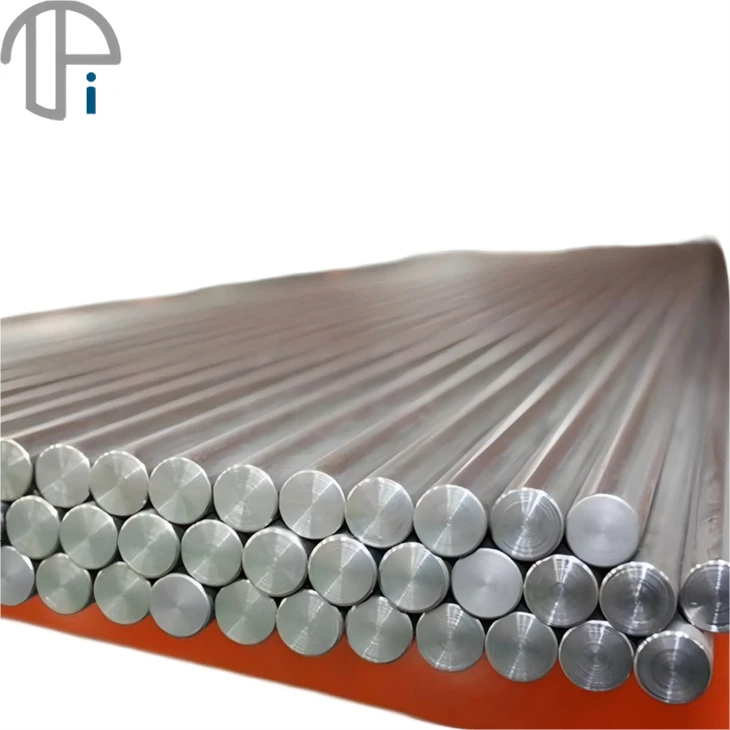
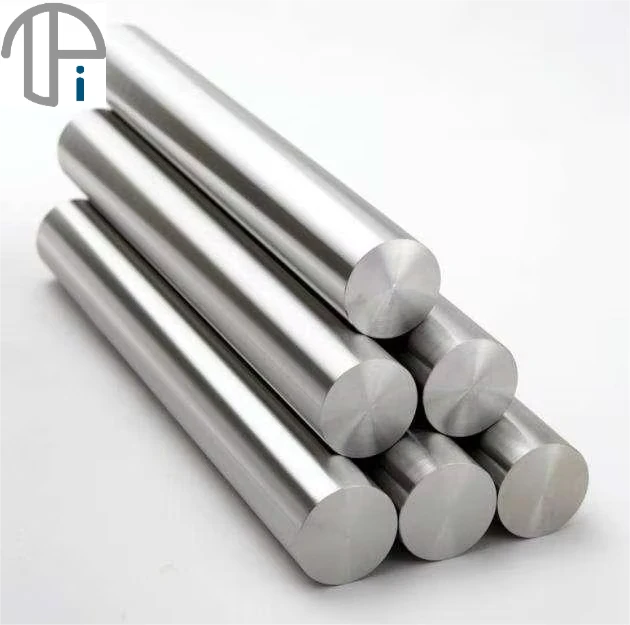
Technological Advancements in Production
Over the years, there have been significant technological advancements in the production of Gr5 Titanium Bars. In the early days, the production process was slow and expensive. But with the development of new manufacturing techniques, such as electron - beam melting and powder metallurgy, the production has become more efficient and cost - effective.
These new methods allow for better control over the composition and microstructure of the alloy, which in turn improves its properties. For example, the use of powder metallurgy can produce parts with more complex shapes and better mechanical properties compared to traditional casting methods.
Competition and New Alloys
As the demand for titanium products grew, so did the competition. Scientists started to develop other titanium alloys to meet the specific needs of different industries. One such alloy is the Gr7 Titanium Round Bar. Gr7 Titanium has a different chemical composition compared to Gr5, with a higher content of palladium. This gives it even better corrosion resistance in certain environments, especially in reducing acids.
However, Gr5 Titanium Bars still remain one of the most popular choices due to their well - balanced properties and wide range of applications.
Current State and Future Outlook
Today, Gr5 Titanium Bars are used in a vast number of industries around the world. From aviation to automotive, from marine to medical, they play a crucial role in modern manufacturing.
The future looks bright for Gr5 Titanium. As new technologies emerge, such as 3D printing, there will be even more opportunities to use this amazing alloy. 3D printing allows for the creation of complex, customized parts, which could open up new applications in fields like aerospace and medical device manufacturing.
Conclusion and Call to Action
Well, that's the history of Gr5 Titanium Bar development in a nutshell. It's been an incredible journey from its discovery to its widespread use in various industries.
If you're in the market for high - quality Gr5 Titanium Bars, I'm here to help. Whether you need them for aerospace, ocean engineering, medical applications, or any other industry, I can provide you with the best products. Don't hesitate to reach out and start a conversation about your specific needs. We can work together to find the perfect solution for your project.
References
- "Titanium: A Technical Guide" by Don Eylon
- "The History of Titanium Alloys" in Journal of Materials Science and Technology
- Industry reports on titanium alloy development from various research institutions


