What are the requirements for the installation of Gr23 Titanium Bar?
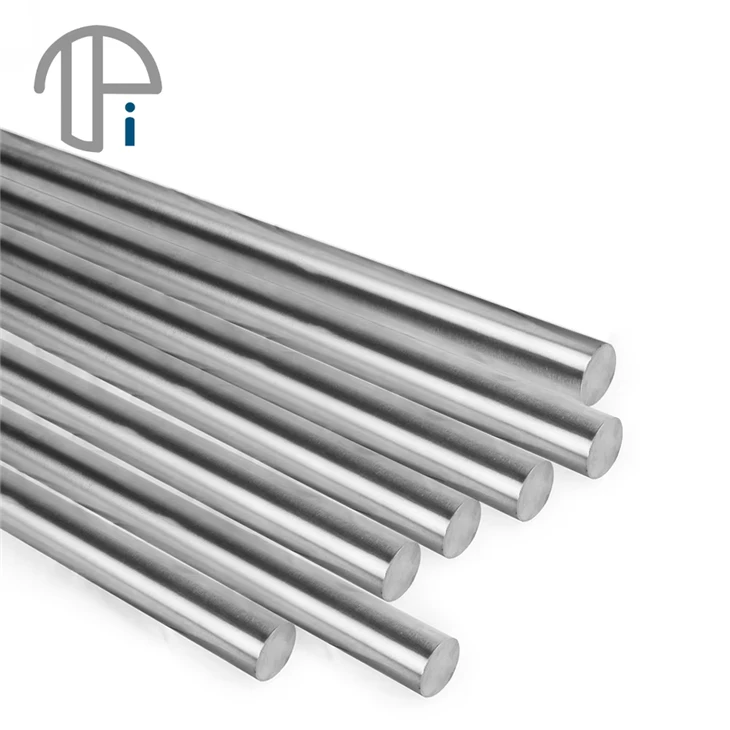
As a trusted supplier of Gr23 Titanium Bars, I understand the importance of proper installation to ensure the optimal performance and longevity of this high - quality material. Gr23 Titanium Bar, also known as Ti-6Al-4V ELI (Extra Low Interstitial), is widely used in various industries such as aerospace, medical, and marine due to its excellent strength - to - weight ratio, corrosion resistance, and biocompatibility. In this blog, I will discuss the key requirements for the installation of Gr23 Titanium Bar.
1. Preparation of the Installation Site
Before installing Gr23 Titanium Bar, it is crucial to prepare the installation site properly. The site should be clean, dry, and free from any debris, dust, or contaminants that could potentially affect the bonding or performance of the titanium bar. If the installation is in a corrosive environment, additional protective measures such as coatings or isolation layers may be required.
For example, in a marine environment, where the bar will be exposed to saltwater, a protective coating can be applied to prevent corrosion. The surface where the bar will be installed should also be flat and level to ensure proper alignment and support. Any unevenness can lead to stress concentrations, which may cause premature failure of the bar.
2. Handling and Storage
Proper handling and storage of Gr23 Titanium Bar are essential to maintain its integrity. During transportation and storage, the bars should be protected from physical damage, such as scratches, dents, or impacts. Scratches on the surface of the titanium bar can act as stress raisers and reduce its fatigue life.
It is recommended to store the bars in a dry and clean environment, away from direct sunlight and moisture. The bars should be stored in a rack or on a flat surface to prevent bending or warping. When handling the bars, appropriate lifting equipment should be used to avoid excessive stress on the bar. Gloves should be worn to prevent fingerprints and other contaminants from coming into contact with the bar surface.
3. Cutting and Machining
If the Gr23 Titanium Bar needs to be cut or machined to the required length or shape, specific techniques and tools should be used. Titanium is a difficult - to - machine material due to its high strength and low thermal conductivity. Specialized cutting tools made of carbide or high - speed steel are recommended for cutting and machining titanium.
The cutting speed and feed rate should be carefully controlled to avoid overheating the material. Overheating can cause the formation of a hard and brittle layer on the surface of the bar, which can affect its mechanical properties. Cooling lubricants should also be used during the cutting and machining process to reduce friction and heat generation.

4. Joining and Welding
When joining Gr23 Titanium Bar, welding is a common method. However, welding titanium requires strict control of the welding environment to prevent contamination. Titanium is highly reactive with oxygen, nitrogen, and hydrogen at high temperatures, which can lead to the formation of brittle compounds and reduce the mechanical properties of the weld.
Tungsten Inert Gas (TIG) welding is a popular method for welding Gr23 Titanium Bar. During the welding process, a shielding gas such as argon is used to protect the weld area from the atmosphere. The welding equipment should be properly maintained, and the welding parameters such as current, voltage, and welding speed should be carefully adjusted according to the thickness and size of the bar.
In some cases, mechanical joining methods such as bolting or riveting can also be used. When using mechanical fasteners, it is important to ensure that the fasteners are made of compatible materials to prevent galvanic corrosion.
5. Quality Control
Throughout the installation process, quality control is of utmost importance. Non - destructive testing methods such as ultrasonic testing, X - ray testing, or dye penetrant testing can be used to detect any internal defects or cracks in the bar or the weld. Visual inspection should also be carried out to check for any surface defects, such as porosity or lack of fusion in the weld.
The mechanical properties of the installed bar, such as tensile strength, yield strength, and hardness, should be tested to ensure that they meet the required standards. Regular inspections should be carried out after the installation to monitor the performance of the bar and detect any potential problems early.
6. Compliance with Standards
The installation of Gr23 Titanium Bar should comply with relevant industry standards and specifications. For example, the ASTM B348 Titanium Bar standard provides guidelines for the chemical composition, mechanical properties, and dimensions of titanium bars. Compliance with these standards ensures the quality and safety of the installation.
In addition, if the Gr23 Titanium Bar is used in the medical industry, it must comply with strict medical device regulations. These regulations ensure that the bar is biocompatible and suitable for use in the human body.
7. Training and Expertise
The installation of Gr23 Titanium Bar should be carried out by trained and experienced personnel. Installers should have a good understanding of the properties of titanium and the specific requirements for its installation. They should be familiar with the tools, techniques, and safety procedures involved in the installation process.
Training programs can be provided to ensure that the installers are up - to - date with the latest installation methods and technologies. Having a team of experts can help to avoid common installation mistakes and ensure the success of the project.
Conclusion
In conclusion, the installation of Gr23 Titanium Bar requires careful planning, proper handling, and strict quality control. By meeting the requirements for site preparation, handling and storage, cutting and machining, joining and welding, quality control, compliance with standards, and having trained personnel, the performance and longevity of the Gr23 Titanium Bar can be ensured.
If you are in need of high - quality Gr23 Titanium Bar for your project, or if you have any questions about the installation requirements, please feel free to contact us. We are committed to providing you with the best products and services. Our team of experts can offer you professional advice and support throughout the procurement and installation process. You may also be interested in our other products such as Gr5(Ti6AI4V)titanium Round Bar and Gr1 Titanium Round Bar.
References
- ASTM International. ASTM B348 Standard Specification for Wrought Titanium and Titanium - Alloy Bars and Billets.
- ASM Handbook Committee. ASM Handbook Volume 2: Properties and Selection: Nonferrous Alloys and Special - Purpose Materials.
- Welding Institute. Welding of Titanium and Titanium Alloys.