

As a supplier of Titanium Blocks, I understand the significance of proper storage to prevent oxidation. Oxidation can significantly affect the quality and performance of titanium blocks, leading to a decrease in their value and usability. In this blog, I will share some scientific and practical methods on how to store Titanium Blocks to prevent oxidation.
Understanding Titanium Oxidation
Before delving into storage methods, it's essential to understand the oxidation process of titanium. Titanium is a highly reactive metal, but it forms a thin, protective oxide layer on its surface when exposed to air. This oxide layer is stable and prevents further oxidation under normal conditions. However, factors such as high temperature, humidity, and the presence of certain chemicals can accelerate the oxidation process, leading to the formation of thicker and less protective oxide layers.
Ideal Storage Conditions
The first step in preventing oxidation is to create an ideal storage environment. Titanium Blocks should be stored in a clean, dry, and well - ventilated area. The temperature and humidity levels play a crucial role in the oxidation process.
- Temperature: Titanium Blocks should be stored at a relatively low and stable temperature. High temperatures can increase the rate of oxidation. A temperature range between 10°C and 30°C is generally recommended. Avoid storing titanium blocks in areas where the temperature fluctuates greatly, such as near heating or cooling systems.
- Humidity: Humidity is one of the main factors that can cause oxidation. The relative humidity in the storage area should be kept below 50%. If the humidity is high, it can lead to the formation of moisture on the surface of the titanium blocks, which can accelerate oxidation. Using dehumidifiers in the storage area can help maintain the desired humidity level.
Packaging
Proper packaging is another important aspect of preventing oxidation. The packaging should protect the Titanium Blocks from moisture, dust, and other contaminants.
- Plastic Wrapping: Wrap the Titanium Blocks in high - density polyethylene (HDPE) plastic film. This plastic is resistant to moisture and can provide a physical barrier between the titanium block and the surrounding environment. Make sure the plastic wrapping is tight and there are no gaps where moisture can enter.
- Vacuum Packaging: For long - term storage or when extra protection is needed, vacuum packaging is an excellent option. Vacuum packaging removes the air from the package, eliminating oxygen, which is necessary for the oxidation process. Specialized vacuum packaging machines can be used to create an air - tight seal around the Titanium Blocks.
Storage Containers
Choosing the right storage containers can also help prevent oxidation.
- Metal Containers: Stainless steel containers are a good choice for storing Titanium Blocks. They are durable, resistant to corrosion, and can provide an additional layer of protection. Make sure the containers are clean and dry before placing the titanium blocks inside.
- Plastic Containers: High - quality plastic containers can also be used. Look for containers made of materials that are resistant to moisture and chemicals. Ensure that the containers have tight - fitting lids to prevent the entry of air and moisture.
Avoiding Contact with Other Metals
Titanium can react with other metals in the presence of moisture and oxygen, a phenomenon known as galvanic corrosion. To prevent this, avoid storing Titanium Blocks in direct contact with other metals.

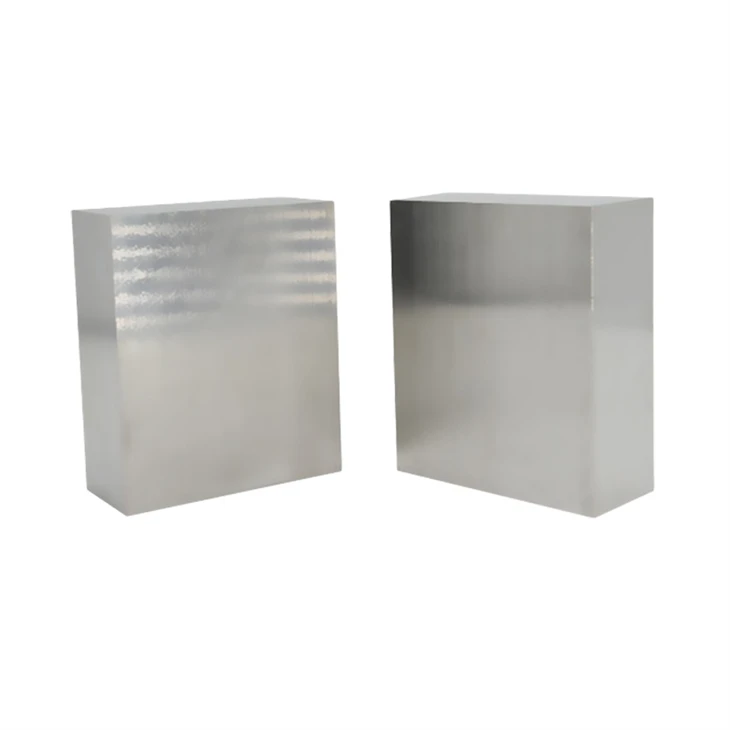
- Separation: Use dividers or spacers made of non - conductive materials, such as plastic or rubber, to separate the Titanium Blocks from other metals. This will prevent any electrical contact between the different metals and reduce the risk of galvanic corrosion.
Regular Inspection
Regular inspection of the stored Titanium Blocks is crucial to detect any signs of oxidation early.
- Visual Inspection: Periodically check the surface of the Titanium Blocks for any signs of discoloration, rust, or pitting. If any signs of oxidation are detected, take immediate action to prevent further damage.
- Cleaning: If the Titanium Blocks are dirty or have accumulated dust, clean them gently using a soft cloth and a mild cleaning solution. Avoid using abrasive cleaners or tools that can scratch the surface of the titanium, as scratches can provide sites for oxidation to start.
Special Considerations for Different Types of Titanium Blocks
Different types of Titanium Blocks may have different storage requirements. For example, the 381 Titanium Block and Titanium End Cap may have unique properties that need to be considered during storage.
- Alloy Composition: Some titanium alloys may be more prone to oxidation than others. For instance, titanium alloys with higher levels of certain elements may require more stringent storage conditions. Make sure to understand the specific alloy composition of the Titanium Blocks you are storing and adjust the storage methods accordingly.
Conclusion
Proper storage of Titanium Blocks is essential to prevent oxidation and maintain their quality. By creating an ideal storage environment, using proper packaging and storage containers, avoiding contact with other metals, and conducting regular inspections, you can significantly reduce the risk of oxidation.
If you are interested in purchasing high - quality Titanium Blocks, we are here to provide you with the best products and services. Feel free to contact us for more information and to start a procurement negotiation. We look forward to working with you!
References
- "Titanium: A Technical Guide" by John C. Williams
- "Corrosion of Metals" by L. L. Shreir
- Various research papers on titanium oxidation and storage from scientific journals


