

In the dynamic landscape of medical device manufacturing, the selection of materials plays a pivotal role in determining the success and safety of the final product. One material that has gained significant attention in recent years is the Gr2 Titanium Bar. As a leading supplier of Gr2 Titanium Bars, I am often asked about the suitability of this material for medical devices. In this blog post, I will delve into the properties of Gr2 Titanium Bar and explore its potential applications in the medical field.
Understanding Gr2 Titanium Bar
Gr2 Titanium Bar, also known as commercially pure titanium, is a non - alloyed titanium grade. It is characterized by its high purity, with a minimum titanium content of 99%. This high - purity composition endows Gr2 Titanium Bar with several remarkable properties.
- Corrosion Resistance: One of the most outstanding features of Gr2 Titanium Bar is its excellent corrosion resistance. Titanium forms a passive oxide layer on its surface when exposed to oxygen, which protects the metal from further corrosion. This property is crucial in medical applications, as medical devices are often exposed to bodily fluids, such as blood and urine, which can be corrosive. The corrosion resistance of Gr2 Titanium Bar ensures the long - term durability of medical devices, reducing the risk of device failure due to corrosion.
- Biocompatibility: Biocompatibility is a key requirement for materials used in medical devices. Gr2 Titanium Bar is highly biocompatible, meaning it does not elicit a significant immune response when in contact with living tissues. This is due to its inert nature and the stable oxide layer on its surface. When implanted in the body, Gr2 Titanium Bar can integrate well with surrounding tissues, minimizing the risk of rejection and inflammation.
- Strength and Ductility: Gr2 Titanium Bar offers a good balance of strength and ductility. It has sufficient strength to withstand the mechanical stresses encountered in medical applications, such as the forces exerted during surgical procedures or the weight - bearing requirements of orthopedic implants. At the same time, its ductility allows it to be easily fabricated into various shapes and sizes, making it suitable for a wide range of medical device designs.
Applications of Gr2 Titanium Bar in Medical Devices
The unique properties of Gr2 Titanium Bar make it a versatile material for various medical device applications.
- Orthopedic Implants: Orthopedic implants, such as hip and knee replacements, spinal fusion devices, and bone plates, require materials that can withstand high mechanical loads and integrate well with bone tissue. Gr2 Titanium Bar's combination of strength, biocompatibility, and corrosion resistance makes it an ideal choice for these applications. The biocompatibility of Gr2 Titanium Bar promotes osseointegration, the process by which bone tissue grows and adheres to the implant surface, ensuring the long - term stability of the implant.
- Dental Implants: Dental implants are used to replace missing teeth and require a material that can provide a stable foundation for the artificial tooth. Gr2 Titanium Bar's corrosion resistance and biocompatibility make it suitable for dental implant applications. It can resist the corrosive environment of the oral cavity and integrate with the jawbone, providing a strong and durable support for dental prosthetics.
- Surgical Instruments: Surgical instruments need to be sterile, corrosion - resistant, and have good mechanical properties. Gr2 Titanium Bar can be used to manufacture various surgical instruments, such as forceps, scissors, and retractors. Its corrosion resistance ensures that the instruments can be repeatedly sterilized without degradation, while its strength and ductility allow for precise instrument design and operation.
Comparison with Other Titanium Grades for Medical Use
While Gr2 Titanium Bar has many advantages for medical device applications, it is also important to compare it with other titanium grades.

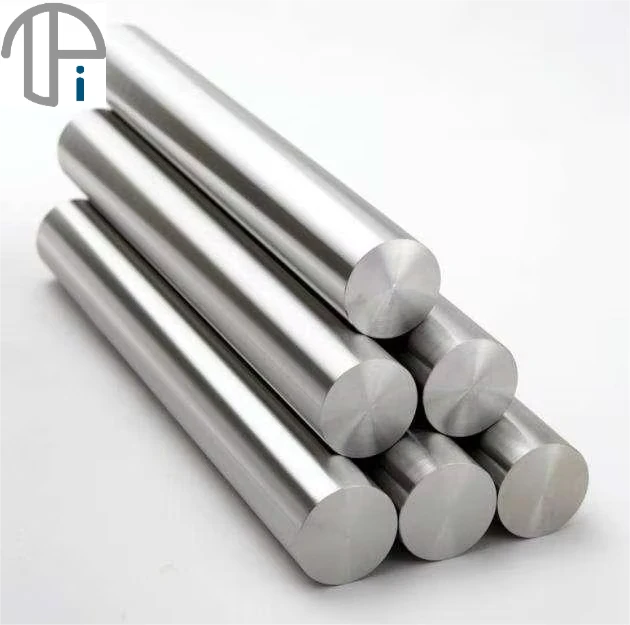
- Ti 15333 Titanium Bar: Ti 15333 Titanium Bar is an alloyed titanium grade. It offers higher strength compared to Gr2 Titanium Bar, which may be beneficial in applications where higher mechanical loads are expected. However, the alloying elements in Ti 15333 Titanium Bar may potentially affect its biocompatibility. In applications where biocompatibility is the primary concern, Gr2 Titanium Bar may be a more suitable choice.
- Gr7 Titanium Round Bar: Gr7 Titanium Round Bar is another commercially pure titanium grade with the addition of a small amount of palladium. This addition enhances its corrosion resistance in certain aggressive environments. In medical applications where the device is exposed to particularly corrosive bodily fluids, Gr7 Titanium Round Bar may be preferred over Gr2 Titanium Bar. However, the cost of Gr7 Titanium Round Bar is generally higher than that of Gr2 Titanium Bar, which may be a factor in the material selection process.
Quality Assurance and Manufacturing Standards
As a supplier of Gr2 Titanium Bar for medical applications, we adhere to strict quality assurance and manufacturing standards.
- Material Testing: We conduct comprehensive material testing on all Gr2 Titanium Bars to ensure they meet the required chemical composition and mechanical properties. This includes tests such as chemical analysis, tensile testing, and hardness testing. Only bars that pass these tests are approved for medical device manufacturing.
- Certification: Our Gr2 Titanium Bars are certified to meet international standards for medical device materials, such as ASTM F67 and ISO 5832 - 2. These certifications provide assurance to our customers that our products meet the highest quality and safety standards for medical use.
Challenges and Considerations
While Gr2 Titanium Bar has many advantages for medical device applications, there are also some challenges and considerations.
- Cost: The cost of Gr2 Titanium Bar can be relatively high compared to some other materials. This is due to the complex extraction and processing methods required to produce high - purity titanium. However, the long - term benefits of using Gr2 Titanium Bar in medical devices, such as its durability and biocompatibility, often outweigh the initial cost.
- Machining Difficulties: Titanium is a difficult material to machine compared to some other metals. Specialized machining techniques and tools are required to ensure accurate and efficient fabrication of Gr2 Titanium Bar into medical devices. This may increase the manufacturing cost and time.
Conclusion and Invitation to Contact
In conclusion, Gr2 Titanium Bar can indeed be effectively used in medical devices. Its corrosion resistance, biocompatibility, strength, and ductility make it a suitable material for a wide range of medical applications, including orthopedic implants, dental implants, and surgical instruments. While there are some challenges and considerations, such as cost and machining difficulties, the benefits of using Gr2 Titanium Bar in medical devices are significant.
If you are interested in Titanium Bar for Medical applications or would like to discuss your specific requirements for Gr2 Titanium Bar, please do not hesitate to contact us. We are committed to providing high - quality Gr2 Titanium Bars and excellent customer service. Our team of experts is ready to assist you in selecting the right material for your medical device manufacturing needs.
References
- ASTM International. (20XX). ASTM F67 - Standard Specification for Unalloyed Titanium for Surgical Implants (Form - Rolled and Forged).
- International Organization for Standardization. (20XX). ISO 5832 - 2:20XX - Implants for surgery — Metallic materials — Part 2: Unalloyed titanium.


