

Renewable energy has emerged as a cornerstone in the global effort to combat climate change and reduce dependence on fossil fuels. As the demand for clean and sustainable energy sources grows, so does the need for innovative materials that can enhance the efficiency, durability, and performance of renewable energy technologies. Among these materials, titanium discs have shown significant potential. As a dedicated titanium disc supplier, I am excited to explore the viability of using titanium discs in renewable energy applications.
Properties of Titanium Discs
Titanium is a remarkable metal known for its unique combination of properties. It has a high strength - to - weight ratio, which means it can withstand significant mechanical stress while being relatively lightweight. This is particularly important in renewable energy systems where minimizing weight can reduce installation costs and improve the overall efficiency of the system. For example, in wind turbines, lighter components can rotate more easily, capturing more wind energy.
Titanium also exhibits excellent corrosion resistance. In harsh environments such as offshore wind farms or solar power plants located in coastal areas, corrosion can severely degrade the performance and lifespan of components. Titanium discs can resist the corrosive effects of saltwater, humidity, and various chemicals, ensuring long - term reliability.
Moreover, titanium has good heat resistance. In concentrated solar power (CSP) systems, where high temperatures are generated to produce steam and drive turbines, materials need to maintain their structural integrity. Titanium discs can handle these elevated temperatures without significant deformation or loss of strength.
Applications in Solar Energy
Photovoltaic (PV) Systems
In PV systems, titanium discs can be used in several ways. One application is in the mounting structures. The high strength - to - weight ratio of titanium makes it an ideal material for creating lightweight yet sturdy frames to hold solar panels. These frames can be easily installed on rooftops or in large - scale solar farms. Additionally, the corrosion resistance of titanium ensures that the mounting structures remain intact even in adverse weather conditions, reducing maintenance costs over the lifetime of the PV system.
Another potential use is in the manufacturing of electrical contacts. Titanium has good electrical conductivity and can be used to create reliable connections between solar cells and other components in the PV system. This helps to minimize energy losses due to poor electrical connections, thereby improving the overall efficiency of the solar panels. You can find high - quality titanium discs suitable for such applications on our website Titanium Disc.
Concentrated Solar Power (CSP)
CSP systems rely on mirrors or lenses to concentrate sunlight onto a receiver, where heat is collected and used to generate electricity. Titanium discs can be used in the receiver components. The heat resistance of titanium allows it to withstand the high temperatures generated in the receiver without losing its mechanical properties. For example, titanium discs can be used as part of the heat - absorbing surfaces or in the structural supports within the receiver.
Applications in Wind Energy
Wind Turbine Blades
Titanium discs can play a role in the manufacturing of wind turbine blades. The high strength - to - weight ratio of titanium can contribute to the development of longer and lighter blades. Longer blades can capture more wind energy, increasing the power output of the wind turbine. The corrosion resistance of titanium is also beneficial, especially for offshore wind turbines that are constantly exposed to saltwater. By using titanium discs in the blade construction, the lifespan of the blades can be extended, reducing the frequency of blade replacements.
Gearboxes and Bearings
In the gearboxes and bearings of wind turbines, titanium discs can be used to create high - precision components. Titanium's excellent mechanical properties allow for the production of gears and bearings with tight tolerances, which can improve the efficiency of power transmission within the wind turbine. The reduced friction and wear in these components also lead to lower energy losses and longer service intervals.
Applications in Hydroelectric Energy
Hydro Turbines
In hydroelectric power plants, titanium discs can be used in the construction of hydro turbines. The corrosion resistance of titanium is crucial in water environments, where components are constantly exposed to water and may be subject to erosion and cavitation. Titanium discs can be used to make turbine blades, casings, and other critical parts. These parts can withstand the erosive forces of flowing water and the high - pressure conditions within the turbine, ensuring reliable and efficient operation of the hydroelectric power plant.
Applications in Energy Storage
Batteries
In the field of energy storage, especially in advanced battery technologies such as lithium - ion batteries, titanium discs can have potential applications. Titanium can be used as a component in the battery electrodes or current collectors. Its high electrical conductivity and chemical stability can contribute to better battery performance, including higher energy density, longer cycle life, and improved safety.
Dental Implant Titanium Discs and Titanium Targets in a Broader Context
While our focus is on renewable energy applications, it's worth noting that we also offer Dental Implant Titanium Disc for the dental industry. The high biocompatibility and corrosion resistance of titanium make it a popular choice for dental implants. Similarly, Titanium Target is used in thin - film deposition processes for various industries, including electronics and optics. These different applications showcase the versatility of titanium discs.
Challenges and Considerations
Despite the many advantages, there are some challenges associated with using titanium discs in renewable energy applications. One of the main challenges is the cost. Titanium is generally more expensive than traditional materials such as steel or aluminum. However, the long - term benefits in terms of durability, reduced maintenance, and improved efficiency may offset the initial higher cost.
Another challenge is the processing difficulty. Titanium requires specialized manufacturing techniques, and not all manufacturers have the expertise to work with this metal. As a professional titanium disc supplier, we have the necessary skills and equipment to produce high - quality titanium discs that meet the strict requirements of renewable energy applications.
Conclusion
In conclusion, titanium discs have great potential in renewable energy applications. Their unique properties, including high strength - to - weight ratio, corrosion resistance, heat resistance, and good electrical conductivity, make them suitable for a wide range of uses in solar, wind, hydroelectric, and energy storage systems. While there are challenges such as cost and processing difficulties, the long - term benefits of using titanium discs in renewable energy technologies are significant.

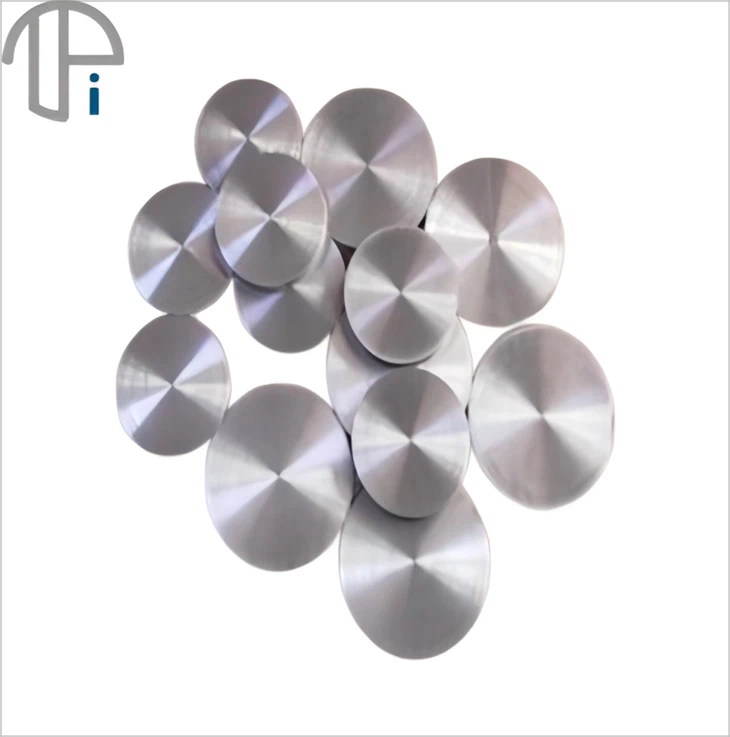
If you are involved in the renewable energy industry and are interested in exploring the use of titanium discs in your projects, we invite you to contact us for more information and to discuss your specific requirements. Our team of experts can provide you with detailed technical advice and help you source the right titanium discs for your applications.
References
- "Materials for Renewable Energy Technologies" by John Wiley & Sons.
- "Solar Energy Engineering: Processes and Systems" by Soteris A. Kalogirou.
- "Wind Energy Explained: Theory, Design, and Application" by J. F. Manwell, J. G. McGowan, and A. L. Rogers.


