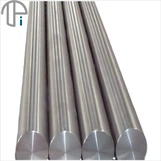
Welded titanium tubes are widely used in various industries due to their unique combination of properties. As a supplier of welded titanium tubes, I am often asked about the mechanical properties of these tubes. In this blog post, I will delve into the mechanical properties of welded titanium tubes, explaining what they are, why they matter, and how they can impact your applications.
Understanding Mechanical Properties
Mechanical properties refer to the behavior of a material under applied forces. These properties are crucial as they determine how a material will perform in different applications. For welded titanium tubes, key mechanical properties include strength, ductility, hardness, and toughness.
Strength
Strength is the ability of a material to withstand an applied load without failure. In the case of welded titanium tubes, there are two main types of strength: tensile strength and yield strength. Tensile strength is the maximum stress that a material can withstand while being stretched or pulled before breaking. Yield strength, on the other hand, is the stress at which a material begins to deform plastically, meaning it will not return to its original shape after the load is removed.
Titanium has high tensile and yield strengths, which makes welded titanium tubes suitable for applications where high strength is required. For example, in the aerospace industry, welded titanium tubes are used in aircraft structures because they can withstand the high stresses experienced during flight. The strength of welded titanium tubes can be further enhanced through heat treatment processes, which can improve the grain structure of the material.
Ductility
Ductility is the ability of a material to deform plastically under tensile stress without fracturing. It is an important property for welded titanium tubes, as it allows them to be bent, formed, and shaped into various configurations without breaking. Ductility is typically measured by the percentage of elongation or reduction in area that a material can undergo before failure.
Titanium is known for its good ductility, which makes welded titanium tubes easy to fabricate. This property is particularly beneficial in applications where the tubes need to be bent or formed into complex shapes, such as in the automotive and architectural industries. The ductility of welded titanium tubes can also be influenced by factors such as the alloy composition, welding process, and heat treatment.
Hardness
Hardness is a measure of a material's resistance to indentation, scratching, or wear. In the context of welded titanium tubes, hardness is important as it affects the tube's resistance to abrasion and corrosion. Titanium has a relatively high hardness, which makes welded titanium tubes durable and resistant to damage.
The hardness of welded titanium tubes can be controlled through heat treatment and alloying. For example, adding certain elements to the titanium alloy can increase its hardness, making it more suitable for applications where wear resistance is critical. In addition, heat treatment processes such as annealing can be used to adjust the hardness of the tubes to meet specific application requirements.
Toughness
Toughness is the ability of a material to absorb energy and deform plastically before fracturing. It is a combination of strength and ductility and is an important property for welded titanium tubes, especially in applications where the tubes may be subjected to impact or dynamic loading.
Titanium has good toughness, which makes welded titanium tubes resistant to fracture under high-stress conditions. This property is particularly important in industries such as oil and gas, where the tubes may be exposed to harsh environments and high-pressure conditions. The toughness of welded titanium tubes can be improved through proper welding techniques and heat treatment.


Factors Affecting the Mechanical Properties of Welded Titanium Tubes
Several factors can affect the mechanical properties of welded titanium tubes. Understanding these factors is essential for ensuring that the tubes meet the required specifications for your application.
Alloy Composition
The alloy composition of the titanium used in the welded tubes plays a significant role in determining their mechanical properties. Different titanium alloys have different compositions, which can affect their strength, ductility, hardness, and toughness. For example, Grade 2 titanium is a commercially pure titanium alloy that is known for its good corrosion resistance and moderate strength. On the other hand, Grade 5 titanium, also known as Ti-6Al-4V, is a high-strength alloy that is widely used in aerospace and other high-performance applications.
As a supplier, we offer a variety of titanium alloys to meet the diverse needs of our customers. Our Grade 2 Welded Titanium Seamless Pipe is a popular choice for applications where corrosion resistance and moderate strength are required. For applications that demand high strength, our ASTM B862 Titanium Tube is a suitable option.
Welding Process
The welding process used to join the titanium tubes can also affect their mechanical properties. Different welding processes, such as TIG (Tungsten Inert Gas) welding and MIG (Metal Inert Gas) welding, have different characteristics and can produce welds with different properties.
TIG welding is a commonly used process for welding titanium tubes because it provides precise control over the welding parameters and produces high-quality welds with good mechanical properties. MIG welding, on the other hand, is a faster process but may require more careful control to ensure that the welds meet the required specifications.
As a supplier, we have extensive experience in welding titanium tubes using various processes. Our welding technicians are trained to follow strict quality control procedures to ensure that the welded tubes have consistent and reliable mechanical properties.
Heat Treatment
Heat treatment is an important process for improving the mechanical properties of welded titanium tubes. Heat treatment can be used to relieve residual stresses in the welds, improve the grain structure of the material, and enhance the strength and ductility of the tubes.
Common heat treatment processes for welded titanium tubes include annealing, solution treatment, and aging. Annealing is a process of heating the tubes to a specific temperature and then cooling them slowly to relieve stresses and improve ductility. Solution treatment involves heating the tubes to a high temperature to dissolve the alloying elements and then quenching them rapidly to form a supersaturated solid solution. Aging is a process of heating the tubes to a lower temperature for a specific period of time to precipitate the alloying elements and improve the strength of the material.
Applications of Welded Titanium Tubes Based on Their Mechanical Properties
The unique mechanical properties of welded titanium tubes make them suitable for a wide range of applications in various industries.
Chemical Industry
In the chemical industry, welded titanium tubes are used in applications where corrosion resistance is critical. Titanium has excellent corrosion resistance in a variety of chemical environments, including acids, alkalis, and salts. Our Titanium Welded Tube for Chemical is specifically designed for use in chemical processing plants, where it can withstand the harsh chemical conditions and prevent corrosion.
Aerospace Industry
The aerospace industry requires materials that are lightweight, strong, and have good fatigue resistance. Welded titanium tubes meet these requirements and are used in aircraft structures, engine components, and hydraulic systems. The high strength-to-weight ratio of titanium makes it an ideal material for aerospace applications, as it can reduce the weight of the aircraft and improve fuel efficiency.
Automotive Industry
In the automotive industry, welded titanium tubes are used in exhaust systems, suspension components, and engine parts. The good ductility of titanium allows the tubes to be bent and formed into complex shapes, while the high strength and corrosion resistance ensure long-term durability.
Contact Us for Your Welded Titanium Tube Needs
If you are looking for high-quality welded titanium tubes with excellent mechanical properties, look no further. As a leading supplier of welded titanium tubes, we have the expertise and experience to provide you with the right products for your application. Our team of experts can help you select the appropriate alloy, welding process, and heat treatment to ensure that the tubes meet your specific requirements.
Whether you need a small quantity of tubes for a prototype or a large volume for a production project, we can accommodate your needs. Contact us today to discuss your requirements and get a quote for our welded titanium tubes. We look forward to working with you and helping you achieve your project goals.
References
- ASM Handbook, Volume 2: Properties and Selection: Nonferrous Alloys and Special-Purpose Materials.
- Titanium: A Technical Guide, Second Edition by John R. Boyer, George W. Welsch, and E. W. Collings.
- Welding Metallurgy and Weldability of Titanium Alloys by John C. Lippold and David L. Kotecki.