

When it comes to handling titanium plate, safety is of utmost importance. As a trusted Titanium Plate supplier, I've witnessed firsthand the potential hazards associated with working with this remarkable material. Titanium, known for its high strength - to - weight ratio, corrosion resistance, and biocompatibility, is widely used in various industries such as aerospace, automotive, and medical. However, improper handling can lead to serious safety risks. In this blog, I'll share some essential safety precautions that should be taken when handling titanium plate.
Personal Protective Equipment (PPE)
Wearing appropriate personal protective equipment is the first line of defense when handling titanium plate. Workers should always wear safety glasses with side shields to protect their eyes from flying debris, metal shavings, or sparks that may occur during cutting, grinding, or welding operations.
Heavy - duty gloves are also crucial. Titanium plates can have sharp edges, and handling them without proper gloves can result in cuts and lacerations. Additionally, when performing tasks that generate heat, such as welding, heat - resistant gloves are necessary to prevent burns.
A dust mask or respirator is essential when there is a risk of inhaling titanium dust. Titanium dust can be harmful if inhaled in large quantities over an extended period. For tasks that generate significant amounts of dust, such as sanding or grinding, a high - efficiency particulate air (HEPA) respirator is recommended.
Workers should also wear long - sleeved shirts and long pants to protect their skin from contact with the titanium plate. This helps prevent skin irritation and cuts. Steel - toed boots are a must to protect feet from heavy titanium plates that could accidentally be dropped.
Storage and Handling
Proper storage of titanium plates is vital to maintain their integrity and ensure safety. Titanium plates should be stored in a dry, well - ventilated area. Moisture can cause corrosion on the surface of the titanium plate, which not only affects its quality but also makes it more difficult to handle safely.
When stacking titanium plates, it's important to ensure that the stacks are stable. Uneven or unstable stacks can topple over, causing injury to workers and damage to the plates. Use appropriate lifting equipment, such as forklifts or cranes, to move the stacks. Make sure the lifting equipment is in good working condition and that the operators are properly trained.
When handling individual titanium plates, use lifting slings or clamps designed for metal plates. Avoid using your hands to lift heavy plates, as this can lead to back injuries and other musculoskeletal disorders. When moving the plates, be aware of your surroundings and ensure that there are no obstacles in the path.
Cutting and Machining
Cutting and machining titanium plates require special attention due to the unique properties of titanium. Titanium has a low thermal conductivity, which means that heat generated during cutting or machining tends to concentrate at the cutting edge. This can lead to rapid tool wear and the generation of high - temperature chips.
When using cutting tools, such as saws or lasers, make sure they are sharp and in good condition. Dull tools can cause the titanium to deform or generate excessive heat, increasing the risk of accidents. Use coolant during cutting and machining operations to dissipate heat and reduce the formation of chips.
The chips produced during cutting and machining are often sharp and can be hot. They should be collected regularly to prevent workers from accidentally stepping on them or coming into contact with them. Special containers should be used to store the chips safely.
Welding
Welding titanium plates is a complex process that requires strict safety measures. Titanium is highly reactive with oxygen, nitrogen, and hydrogen at elevated temperatures. Therefore, welding must be carried out in an inert gas environment, typically using argon or helium shielding gas.
Before welding, the surface of the titanium plate must be thoroughly cleaned to remove any contaminants, such as oil, grease, or dirt. Contaminants can cause defects in the weld and reduce its strength.
Welders should be properly trained and certified to work with titanium. They should wear appropriate welding helmets with auto - darkening lenses to protect their eyes from the intense light and radiation produced during welding. Welding gloves and aprons made of fire - resistant materials are also necessary to protect the body from sparks and heat.
Fire and Explosion Safety
Although titanium is not flammable in bulk form, titanium dust and fine chips can be combustible. When handling titanium dust, it's important to prevent the accumulation of dust in the work area. Regular cleaning and proper ventilation can help reduce the risk of dust explosions.
Keep flammable materials away from the area where titanium plates are being processed. During welding or cutting operations, have a fire extinguisher nearby that is suitable for metal fires.
Chemical Safety
In some cases, titanium plates may be treated with chemicals for surface finishing or other purposes. When handling these chemicals, follow all safety instructions provided by the manufacturer. Wear appropriate chemical - resistant gloves, goggles, and aprons.
Store chemicals in a separate, well - ventilated area away from the titanium plates. Ensure that the storage area is labeled correctly and that there are spill - containment measures in place.
Training and Education
All workers involved in handling titanium plates should receive comprehensive safety training. This training should cover all aspects of titanium plate handling, including storage, cutting, machining, welding, and the use of personal protective equipment.
Regular safety meetings should be held to reinforce safety procedures and to discuss any new safety concerns or incidents. Workers should be encouraged to report any safety hazards or near - misses immediately.
Quality Assurance of Titanium Plates
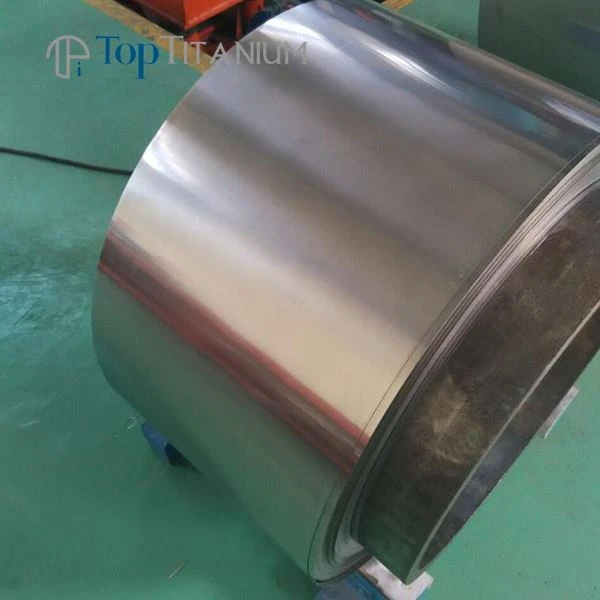
As a Titanium Plate supplier, we take quality assurance very seriously. We ensure that all our ASTM B265 Titanium Plate meet the highest industry standards. Our Titanium Foil In Coil is carefully manufactured to provide consistent performance, and our Titanium Plate for Car is designed to meet the specific requirements of the automotive industry.
Conclusion
Handling titanium plates safely requires a combination of proper personal protective equipment, correct storage and handling procedures, and strict safety measures during cutting, machining, and welding operations. By following these safety precautions, we can minimize the risk of accidents and ensure a safe working environment.

If you are in the market for high - quality titanium plates, I encourage you to contact us for a procurement discussion. Our team of experts is ready to assist you in finding the right titanium plates for your specific needs.
References
- "Titanium: Properties, Production, and Applications" by ASM International
- Safety guidelines provided by the Occupational Safety and Health Administration (OSHA)
- Manufacturer's instructions for titanium - related equipment and chemicals


