

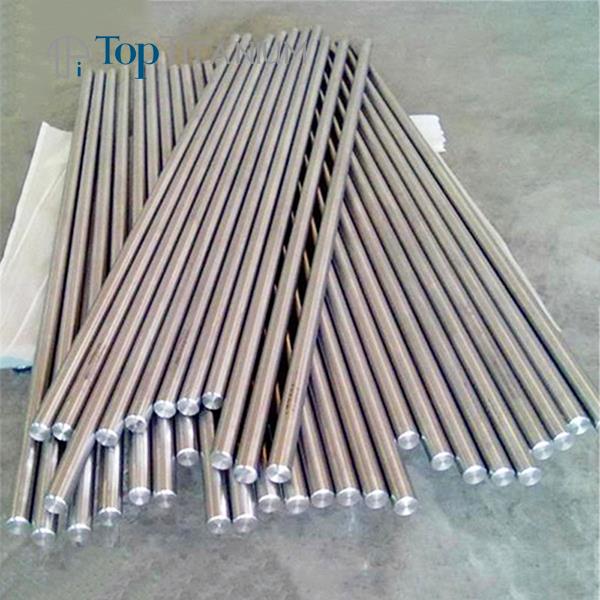
Hey there! I'm a supplier of F136 Titanium Bar, and today I'm stoked to chat with you about all the awesome advantages of using this incredible material in implants. So, let's dive right in!
First off, F136 Titanium Bar is a top - notch choice for implants because of its outstanding biocompatibility. When we talk about biocompatibility, we're referring to how well a material can interact with the human body without causing any negative reactions. Titanium, in general, has a long - standing reputation for being super friendly to our bodies. The F136 grade, in particular, is specifically formulated to meet the strict requirements for medical applications.
Our bodies are pretty picky when it comes to foreign objects. They have a natural defense mechanism that tries to reject anything that doesn't belong. But F136 Titanium Bar manages to fly under the radar of our immune system. It doesn't trigger inflammation or an immune response, which is a huge deal for implant patients. This means less pain, fewer complications, and a quicker recovery time.
Another major advantage is its strength - to - weight ratio. F136 Titanium Bar is incredibly strong, yet it's lightweight. This is crucial for implants because you want a material that can withstand the stresses and strains of daily life without adding unnecessary bulk. For example, in orthopedic implants like hip or knee replacements, the implant needs to support the weight of the patient and endure the forces generated during movement. The high strength of F136 Titanium Bar ensures that the implant can handle these loads without breaking or deforming. At the same time, its lightweight nature makes it more comfortable for the patient to move around, reducing the overall stress on the surrounding tissues and joints.
Corrosion resistance is also a key factor. Our bodies are filled with various fluids, like blood and interstitial fluid, which can be quite corrosive to many materials. But F136 Titanium Bar has a natural oxide layer on its surface that acts as a protective shield. This oxide layer prevents the titanium from reacting with the body's fluids, ensuring that the implant remains stable and functional over a long period of time. Unlike some other metals that might corrode and release harmful substances into the body, F136 Titanium Bar stays intact, providing long - term reliability.
In addition to these physical properties, F136 Titanium Bar is also highly machinable. This means that it can be easily shaped and fabricated into the exact design required for different types of implants. Whether it's a complex dental implant or a customized orthopedic device, manufacturers can work with F136 Titanium Bar to create precise and detailed shapes. This flexibility in manufacturing allows for the development of implants that fit perfectly into the patient's body, improving the overall effectiveness of the treatment.
Now, let's talk about some of the specific types of implants where F136 Titanium Bar really shines. In dental implants, the biocompatibility and strength of F136 Titanium Bar are essential. Dental implants need to integrate with the jawbone to provide a stable foundation for artificial teeth. The F136 grade titanium allows for osseointegration, which is the process by which the implant fuses with the bone. This results in a strong and durable dental implant that can last for many years.
Orthopedic implants, as mentioned earlier, also benefit greatly from F136 Titanium Bar. Hip and knee replacements are some of the most common orthopedic procedures, and the use of F136 Titanium Bar has revolutionized these treatments. The implant's ability to handle high loads and its lightweight design make it an ideal choice for patients who want to regain their mobility and live an active lifestyle.
If you're interested in other titanium products for medical applications, we also offer Ti 1023 Titanium Bar and TC4 6AL - 4V Titanium Rods. These products also have their own unique properties and are suitable for different types of surgical implants. And if you're specifically looking for Titanium rods for surgical implantation of medical materials, we've got you covered.
So, if you're in the market for high - quality titanium materials for implants, I encourage you to get in touch with us. We're always happy to discuss your specific needs and provide you with the best solutions. Whether you're a medical device manufacturer or a healthcare provider, we can work together to ensure that you get the right F136 Titanium Bar for your projects.

References
- "Biomaterials Science: An Introduction to Materials in Medicine" by Buddy D. Ratner, Allan S. Hoffman, Frederick J. Schoen, and Jack E. Lemons.
- "Titanium in Medicine: Material Science, Surface Science, Engineering, Biological Responses, and Medical Applications" edited by Jörg Breme, Friedrich F. Kohn, and Andreas Göken.


