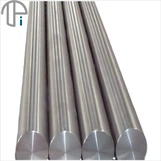
Hey there! As a titanium wire supplier, I've seen my fair share of issues when it comes to processing titanium wire. One of the most common problems that manufacturers face is the wire breaking during processing. This can be a real headache, leading to wasted materials, increased production time, and ultimately, higher costs. In this blog post, I'm going to share some tips on how to prevent titanium wire from breaking during processing.
Understanding Titanium Wire
First off, let's talk a bit about titanium wire. Titanium is a super strong and lightweight metal that's widely used in various industries, from aerospace to medical. It has excellent corrosion resistance and high strength-to-weight ratio, making it a top choice for many applications.
We offer different types of titanium wire, like Polished Surface Titanium Wire and Black Surface Titanium Wire. Our Titanium Wire Medical Use is also very popular in the medical field due to its biocompatibility.
Causes of Titanium Wire Breakage
Before we can prevent wire breakage, we need to understand what causes it. Here are some common reasons:
1. Poor Material Quality
If the titanium wire has impurities or internal defects, it's more likely to break during processing. Low-quality wire may have inconsistent diameters, surface flaws, or inclusions that weaken the wire's structure.
2. Incorrect Processing Parameters
Using the wrong processing parameters, such as excessive tension, high-speed cutting, or improper bending angles, can put too much stress on the wire and cause it to break. For example, if you're drawing the wire at a speed that's too fast, it can lead to overheating and cracking.
3. Tool Wear
Worn-out tools can cause uneven stress distribution on the wire. Dull cutting edges or misaligned dies can create sharp bends or cuts in the wire, increasing the risk of breakage.
4. Environmental Factors
High humidity, extreme temperatures, or exposure to corrosive substances can also affect the wire's integrity. Titanium can react with certain chemicals, which may weaken the wire over time.
Preventive Measures
Now that we know the causes, let's look at some ways to prevent titanium wire from breaking during processing.
1. Choose High-Quality Titanium Wire
This is a no-brainer. Make sure you source your titanium wire from a reliable supplier. At our company, we have strict quality control measures in place to ensure that our wire meets the highest standards. We conduct thorough inspections of the raw materials and perform various tests to check for impurities and defects.
2. Optimize Processing Parameters
Work closely with your engineers or technicians to determine the optimal processing parameters for your specific application. This may involve adjusting the tension, speed, and temperature during drawing, cutting, or bending operations. For example, reducing the drawing speed can help prevent overheating and cracking.
3. Maintain Tools Regularly
Keep your tools in good condition by regularly sharpening cutting edges, replacing worn-out dies, and aligning them properly. This will ensure that the wire is processed smoothly and evenly, reducing the risk of breakage.
4. Control the Environment
Store the titanium wire in a dry, clean environment to prevent corrosion. If possible, use environmental control systems to maintain stable temperature and humidity levels during processing.
5. Implement Quality Control Checks
Regularly inspect the wire during processing to detect any signs of damage or wear. This can help you identify potential problems early and take corrective actions before the wire breaks. You can use non-destructive testing methods, such as ultrasonic testing or X-ray inspection, to check for internal defects.


Specific Processing Tips
Here are some specific tips for different processing operations:
Drawing
- Use a lubricant to reduce friction and heat generation during drawing.
- Gradually reduce the wire diameter in multiple passes to avoid excessive stress.
- Monitor the tension carefully to ensure it's within the recommended range.
Cutting
- Use sharp cutting tools to make clean cuts.
- Adjust the cutting speed and feed rate according to the wire diameter and material properties.
- Support the wire properly during cutting to prevent it from vibrating or bending.
Bending
- Use appropriate bending tools and dies to ensure smooth and consistent bends.
- Calculate the correct bending radius based on the wire diameter and material properties.
- Preheat the wire if necessary to make it more flexible.
Conclusion
Preventing titanium wire from breaking during processing requires a combination of high-quality materials, proper processing techniques, and regular maintenance. By following the tips outlined in this blog post, you can significantly reduce the risk of wire breakage and improve the efficiency and quality of your production.
If you're in the market for high-quality titanium wire, or if you have any questions about preventing wire breakage, don't hesitate to reach out. We're here to help you find the best solutions for your specific needs. Let's start a conversation and see how we can work together to achieve your goals.
References
- ASM Handbook Volume 2: Properties and Selection: Nonferrous Alloys and Special-Purpose Materials.
- Titanium: A Technical Guide, Second Edition by John C. Williams.