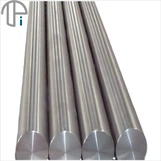
Hey there! As a supplier of titanium plates, I've been getting a lot of questions lately about how to improve the surface smoothness of these plates. It's a crucial aspect, especially when you're using titanium plates in various high - end applications. So, I thought I'd share some tips and tricks that I've learned over the years.
First off, let's understand why surface smoothness matters. A smooth surface on a titanium plate can enhance its corrosion resistance. When the surface is rough, there are tiny crevices and pits where moisture and corrosive agents can accumulate, leading to faster corrosion. In industries like aerospace and medical, where titanium plates are widely used, corrosion can be a major issue. A smooth surface also improves the aesthetic appeal of the plate, which is important for applications where the appearance matters, like in some high - end consumer products.
1. Material Selection
The quality of the raw material is the foundation for achieving a smooth surface. When sourcing titanium, make sure you're getting high - grade material. Low - quality titanium may have impurities or inclusions that can cause unevenness on the surface during processing. For example, if there are small pieces of other metals mixed in with the titanium, they can create bumps or rough spots when the plate is being formed or finished.
As a supplier, I always ensure that the titanium we use meets strict quality standards. We work closely with reliable mines and smelters to get the purest titanium possible. This way, we start with a clean slate, and it's much easier to achieve a smooth surface during the manufacturing process.


2. Precision Rolling
Rolling is one of the primary methods for shaping titanium plates. To get a smooth surface, precision rolling is key. The rollers need to be properly maintained and calibrated. If the rollers are worn out or not aligned correctly, they can leave marks or unevenness on the plate.
During the rolling process, the temperature also plays a crucial role. Titanium has different properties at different temperatures. Rolling at the right temperature range helps the metal flow smoothly and reduces the chances of surface defects. For example, if the temperature is too low, the titanium may crack or form rough edges. On the other hand, if it's too high, the metal can oxidize, which also affects the surface smoothness.
3. Heat Treatment
Heat treatment can significantly improve the surface smoothness of titanium plates. After rolling, the plate may have internal stresses that can cause warping or unevenness. Heat treatment helps to relieve these stresses and make the structure of the titanium more uniform.
There are different types of heat treatment processes, such as annealing and quenching. Annealing involves heating the plate to a specific temperature and then slowly cooling it. This process softens the titanium and makes it more malleable, which can help in achieving a smoother surface. Quenching, on the other hand, is a rapid cooling process that can improve the hardness and strength of the plate while also having an impact on the surface finish.
4. Machining and Finishing
Once the plate is formed, machining and finishing processes are used to further improve the surface smoothness. Machining operations like milling, turning, and grinding can remove any remaining rough spots or burrs. However, it's important to use the right tools and techniques.
For example, when grinding, the grit size of the grinding wheel matters. A finer grit wheel will result in a smoother surface. Also, the speed and pressure during grinding need to be carefully controlled. Too much pressure can cause the titanium to overheat and form a rough surface, while too little pressure may not remove all the imperfections.
After machining, finishing processes like polishing can be used to give the plate a mirror - like finish. Polishing involves using abrasive compounds and buffing wheels to gradually smooth out the surface. There are different levels of polishing, from a basic satin finish to a high - gloss finish, depending on the requirements of the application.
5. Surface Coating
Applying a surface coating can also enhance the smoothness of titanium plates. There are various types of coatings available, such as ceramic coatings and polymer coatings. These coatings can fill in any small pores or imperfections on the surface, creating a smoother and more uniform appearance.
Ceramic coatings, for example, are known for their hardness and corrosion resistance. They can also improve the wear resistance of the titanium plate. Polymer coatings, on the other hand, can provide a more flexible and scratch - resistant surface. The choice of coating depends on the specific needs of the application.
Related Products
If you're interested in other titanium products, we also offer Titanium Strip, Titanium Target Plate, and Titanium Plate for Car. These products also undergo similar processes to ensure high - quality surface finishes.
Conclusion
Improving the surface smoothness of titanium plates is a multi - step process that starts with the selection of high - quality raw materials and continues through various manufacturing and finishing operations. By paying attention to details like precision rolling, heat treatment, machining, and surface coating, you can achieve a smooth and high - quality titanium plate.
If you're in the market for titanium plates and are looking for a supplier who can provide plates with excellent surface smoothness, don't hesitate to reach out. We're here to help you find the right titanium plates for your specific needs. Whether it's for aerospace, medical, automotive, or any other industry, we've got you covered. Let's have a chat about your requirements and see how we can work together to get you the best titanium plates.
References
- "Titanium: A Technical Guide" by John C. Williams
- "Surface Engineering for Corrosion and Wear Resistance" by David E. Ashford