

Hey there! As a titanium plate supplier, I've seen firsthand the importance of wear resistance in titanium plates. Wear resistance isn't just a buzzword; it's crucial for ensuring that titanium plates last longer and perform better in various applications. In this blog, I'll share some practical ways to enhance the wear resistance of titanium plates, based on my experience in the industry.
Understanding the Basics of Titanium Plate Wear
Before we dive into the ways to boost wear resistance, let's quickly talk about what causes wear in titanium plates. Wear typically happens when two surfaces rub against each other. In industrial settings, titanium plates might be exposed to abrasive materials, high pressures, or continuous friction. This can lead to surface damage, material loss, and ultimately, a shorter lifespan for the plate.
Surface Treatment
One of the most effective ways to enhance wear resistance is through surface treatment. There are several methods available, and each has its own advantages.
Nitriding
Nitriding is a process where nitrogen is introduced into the surface of the titanium plate. This creates a hard nitride layer that can significantly improve wear resistance. When nitrogen atoms diffuse into the titanium matrix, they form titanium nitride (TiN), which is extremely hard and has excellent wear properties.
The process usually involves heating the titanium plate in a nitrogen-rich environment. The temperature and duration of the process can be adjusted to control the thickness and properties of the nitride layer. Nitrided titanium plates are great for applications where they'll be exposed to high loads and abrasive conditions, like in cutting tools and machinery components.
Coating
Another option is to apply a coating to the titanium plate. There are various types of coatings available, such as ceramic coatings and diamond-like carbon (DLC) coatings.
Ceramic coatings are known for their high hardness and chemical stability. They can provide a protective barrier between the titanium plate and the abrasive environment. For example, aluminum oxide (Al₂O₃) coatings can be applied using techniques like thermal spraying. These coatings can resist wear from both solid particles and corrosive fluids.
DLC coatings, on the other hand, are made up of carbon atoms arranged in a structure similar to diamond. They have low friction coefficients and high wear resistance. DLC-coated titanium plates are often used in applications where reducing friction is important, such as in automotive engines and aerospace components.

Material Selection
The type of titanium alloy used can also have a big impact on wear resistance. Different titanium alloys have different compositions and properties, which can affect how they perform under wear conditions.
Alloying Elements
Adding certain alloying elements to titanium can improve its wear resistance. For example, vanadium (V) and chromium (Cr) can increase the hardness of the titanium alloy. When these elements are added in the right proportions, they can form hard intermetallic compounds within the titanium matrix, which enhance wear resistance.
Molybdenum (Mo) is another alloying element that can improve the strength and wear resistance of titanium. It can also enhance the corrosion resistance of the alloy, which is beneficial in environments where the titanium plate might be exposed to both wear and corrosion.
Grain Size
The grain size of the titanium alloy also plays a role in wear resistance. Generally, finer grain sizes lead to better wear resistance. Fine-grained titanium alloys have more grain boundaries, which can act as barriers to the movement of dislocations. This makes the alloy harder and more resistant to wear.
Manufacturing processes can be adjusted to control the grain size of the titanium plate. For example, cold working followed by appropriate heat treatment can refine the grain structure and improve wear resistance.
Design Considerations
Proper design can also contribute to enhancing the wear resistance of titanium plates.
Geometry
The shape and geometry of the titanium plate can affect how it wears. For example, rounded edges and smooth surfaces can reduce stress concentrations and minimize the risk of wear initiation. Sharp corners and edges are more likely to experience high stress and wear, so it's important to design the plate with smooth contours.
In addition, the design should take into account the direction of the applied load and the movement of the contacting surfaces. By aligning the plate's features with the direction of wear, you can ensure that it wears more evenly and lasts longer.
Clearance
When using titanium plates in assemblies, it's important to ensure proper clearance between the plate and other components. If the clearance is too small, there can be excessive contact pressure, which can lead to accelerated wear. On the other hand, if the clearance is too large, the plate might move around and cause impact wear.
Heat Treatment
Heat treatment is a powerful tool for improving the wear resistance of titanium plates.
Annealing
Annealing is a process that involves heating the titanium plate to a specific temperature and then cooling it slowly. This can relieve internal stresses in the plate and improve its ductility. In some cases, annealing can also refine the grain structure, which can enhance wear resistance.
Quenching and Tempering
Quenching and tempering is another heat treatment process that can be used to improve the hardness and wear resistance of titanium plates. Quenching involves rapidly cooling the heated titanium plate, which creates a hard and brittle structure. Then, tempering is done to reduce the brittleness and improve the toughness of the plate. The combination of high hardness and good toughness can result in excellent wear resistance.
Application-Specific Solutions
Depending on the specific application, there are some additional steps you can take to enhance wear resistance.
Lubrication
In applications where there's relative motion between the titanium plate and other surfaces, lubrication can be very effective in reducing wear. Lubricants can form a thin film between the surfaces, which reduces friction and prevents direct contact between the titanium plate and the abrasive material.
There are different types of lubricants available, such as oil-based lubricants and solid lubricants. Oil-based lubricants are commonly used in industrial machinery, while solid lubricants like graphite and molybdenum disulfide (MoS₂) can be used in high-temperature and high-pressure applications.
Maintenance
Regular maintenance is essential for ensuring the long-term wear resistance of titanium plates. This includes cleaning the plates to remove any abrasive particles that might have accumulated on the surface. Inspecting the plates for signs of wear and damage is also important. If any wear is detected early, appropriate measures can be taken to prevent further damage, such as re-coating or replacing the plate.
Our Product Range
At our company, we offer a wide range of titanium plates with different properties to meet various application needs. For example, our B265 Ti Plate is known for its excellent corrosion resistance and good mechanical properties. It can be further enhanced with the wear resistance improvement techniques we've discussed.
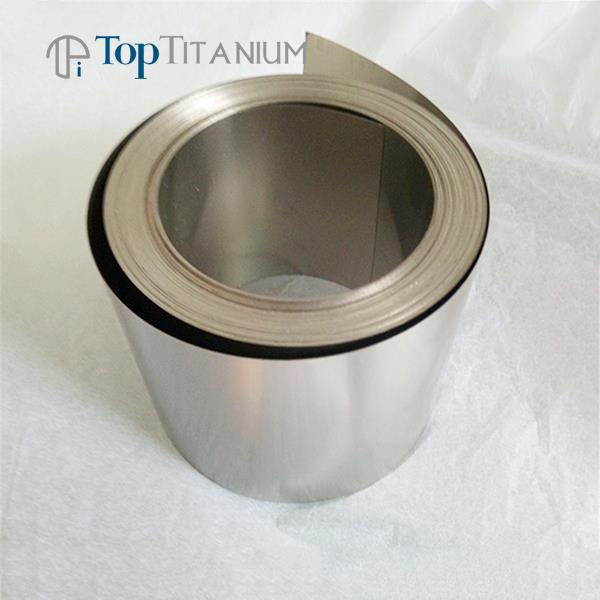
Our Gr2 Titanium Strip is a versatile product that can be used in many applications. With proper surface treatment and material selection, it can offer great wear resistance. And our Cold Rolled GR1 Titanium Plate has a fine grain structure, which provides a good foundation for enhancing wear resistance.
Conclusion
Enhancing the wear resistance of titanium plates is a multi-faceted process that involves surface treatment, material selection, design considerations, heat treatment, and application-specific solutions. By implementing these strategies, you can ensure that your titanium plates last longer and perform better in various applications.
If you're interested in purchasing high-quality titanium plates or have any questions about enhancing their wear resistance, feel free to reach out to us. We're here to help you find the best solutions for your specific needs. Let's work together to get the most out of your titanium plate applications!
References
- "Titanium: A Technical Guide" by John R. Davis
- "Surface Engineering for Wear Resistance" by J. S. Colligon
- Research papers on titanium surface treatment and wear resistance from various scientific journals.


