

Trying to find out where a titanium hexagon bar comes from? Well, you've landed in the right spot! As a supplier of these bars, I've dealt with all sorts of questions regarding their origin. Let's dig into the different ways you can determine where your titanium hexagon bar really comes from.
1. Manufacturer's Documentation
One of the easiest ways is to check the manufacturer's documentation. When you're buying a titanium hexagon bar, the supplier should give you some paperwork. This could be a certificate, a data sheet, or an invoice. These documents usually have details about where the bar was made.
For instance, the certificate of conformity will often state the manufacturing location. It might say something like "Manufactured in [Country Name]" or give an exact address of the factory. The data sheet can also be a goldmine of information. It could have details about the source of the raw materials. Some high - end manufacturers are very transparent about the origin of their titanium ore, which is the starting point for making these bars.
As a supplier, I always make sure to provide clear and detailed documentation to my customers. Whether it's a Gr5 Titanium Hexagon Bar, Gr3 Titanium Hexagon Bar, or Gr2 Titanium Hexagon Bar, the paperwork is there to tell you the whole story.
2. Chemical Composition Analysis
Another way to figure out the origin is through chemical composition analysis. Different regions have different types of titanium ore, and this can affect the chemical makeup of the final product.
For example, titanium ore from Australia might have a slightly different trace element profile compared to ore from Russia. By analyzing the bar for elements like iron, aluminum, and vanadium, you can get some clues. Specialized labs use techniques like spectroscopy to measure the exact amounts of these elements.
Most of the time, if you're serious about finding out the origin, you'd send a sample of the bar to a professional testing lab. They'll give you a detailed report that can help you compare the results with known profiles from different regions. It's not a foolproof method, but it can be really helpful, especially when combined with other information.
3. Brand Reputation and Market Presence
The brand of the titanium hexagon bar can also give you hints about its origin. Well - established brands often have a history and a known manufacturing base.

For example, if a brand is known for sourcing its materials locally and has been in business in a particular region for decades, it's likely that their bars are made there. You can do some research online, read reviews, and check industry forums. Customers often share their experiences and knowledge about different brands.
If a brand has a long - standing reputation for high - quality production in a certain country, then you can be more confident about the origin of the bars they sell. Of course, there are always exceptions, but generally, a well - known brand will be more transparent about where its products come from.
4. Supply Chain Information
Understanding the supply chain is crucial. If you're buying from a distributor, you should ask them about the flow of the product. Where did they get the bar from? Did they buy it directly from the manufacturer, or was there an intermediary?
Sometimes, a distributor can give you valuable information about the origin. They might have dealt with the manufacturer for a long time and know exactly where the titanium comes from. They could also provide an audit trail of the product, showing its journey from the source to your hands.
5. Physical Characteristics
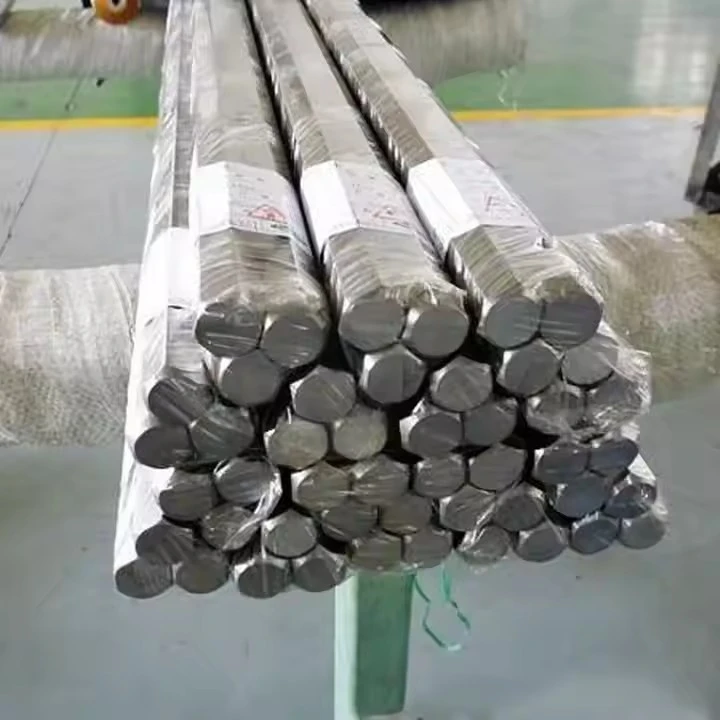
Believe it or not, the physical characteristics of the titanium hexagon bar can give you some clues. Different manufacturing processes used in various regions can result in slightly different surface finishes, dimensions, and quality.
For example, bars made using more advanced manufacturing techniques might have a smoother surface and more precise dimensions. The appearance of the bar, like any visible markings or the texture, can also vary based on the manufacturing location. Some regions might have specific stamping or marking conventions that can help you identify the origin.
Challenges in Determining the Origin
There are some challenges when trying to determine the origin of a titanium hexagon bar. Some unscrupulous manufacturers might mislabel their products. They could claim that the bar is from a certain high - quality region when it's actually from somewhere else.
Also, in today's globalized market, the supply chain can be very complex. A bar might be made using raw materials from one country, processed in another, and then assembled in a third. This can make it difficult to pinpoint a single origin.
Why Origin Matters
You might be wondering why it's so important to know the origin of a titanium hexagon bar. Well, there are a few reasons. Firstly, different regions have different quality standards and regulations. A bar from a region with strict quality control is more likely to meet high - end requirements.
Secondly, the origin can affect the price. Bars from certain countries might be more expensive due to factors like labor costs and the cost of raw materials. If you're on a budget, knowing the origin can help you make a more informed purchase decision.
Finally, geopolitical factors can also play a role. There might be trade restrictions or sanctions on titanium products from certain regions. By knowing the origin, you can avoid any legal issues or potential supply disruptions.
Wrapping It Up
Figuring out the origin of a titanium hexagon bar isn't always easy, but with the right approach, it's definitely doable. By checking the manufacturer's documentation, doing a chemical analysis, looking at the brand reputation, understanding the supply chain, and examining the physical characteristics, you can get a pretty good idea of where your bar comes from.
If you're in the market for a titanium hexagon bar, whether it's a Gr5 Titanium Hexagon Bar, Gr3 Titanium Hexagon Bar, or Gr2 Titanium Hexagon Bar, I'm here to provide you with all the necessary information. And if you want to discuss your procurement needs, let's have a chat. I'd be more than happy to help you make the right choice.
References
- Titanium Industry Handbook: A Comprehensive Guide to Titanium Production and Applications
- Journal of Materials Science and Engineering: Studies on Titanium and Its Alloys
- International Trade Reports on Titanium Products


