

Titanium rings have gained immense popularity in recent years, and as a titanium ring supplier, I often get asked, "Do titanium rings tarnish?" It's a valid question, especially for those looking to invest in a piece of jewelry that'll stand the test of time. Let's dive into this topic and find out the truth about titanium ring tarnishing.
What is Titanium?
First off, let's understand what titanium is. Titanium is a chemical element with the symbol Ti and atomic number 22. It's a transition metal known for its high strength, low density, and excellent corrosion resistance. These properties make it an ideal material for various applications, including jewelry.
Titanium is abundant in the Earth's crust, but it's not found in its pure form. It's usually extracted from minerals like ilmenite and rutile. Once extracted, it goes through a series of processes to purify it and make it suitable for different uses.
The Science Behind Tarnishing
Tarnishing is a chemical reaction that occurs when a metal reacts with substances in the environment, such as oxygen, sulfur, or moisture. This reaction forms a layer of corrosion on the metal's surface, which can change its appearance and make it look dull or discolored.
For example, silver tarnishes when it reacts with sulfur in the air, forming a layer of silver sulfide. Copper tarnishes when it reacts with oxygen and moisture, forming a greenish layer of copper carbonate. But what about titanium?
Do Titanium Rings Tarnish?
The short answer is no, titanium rings don't tarnish in the same way as other metals. Titanium has a natural oxide layer on its surface that acts as a protective barrier against corrosion. This oxide layer forms spontaneously when titanium is exposed to air, and it's very thin and transparent.
This oxide layer is what gives titanium its excellent corrosion resistance. It prevents oxygen, moisture, and other substances from reaching the metal's surface and causing it to tarnish. So, even if you wear your titanium ring every day, expose it to water, or come into contact with chemicals, it'll likely maintain its original appearance for a long time.
However, it's important to note that while titanium itself doesn't tarnish, the finish on the ring can be affected. For example, if a titanium ring has a colored coating or a special finish, that coating may wear off over time with regular use. But this isn't the same as the metal itself tarnishing.

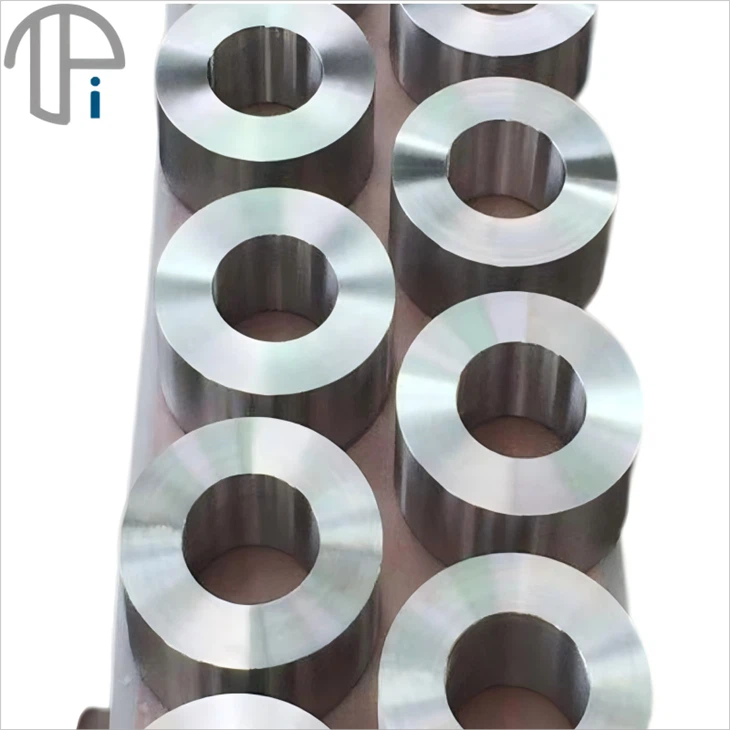
Factors That Can Affect Titanium Rings
Although titanium rings are highly resistant to tarnishing, there are a few factors that can affect their appearance:
Abrasion
If you subject your titanium ring to rough handling or abrasive materials, it can scratch the surface. These scratches can make the ring look less shiny and may affect its overall appearance. To prevent this, avoid wearing your ring when doing activities that could cause it to come into contact with rough surfaces, such as gardening, construction work, or sports.
Chemicals
While titanium is resistant to most chemicals, some strong acids and alkalis can damage the oxide layer on its surface. If you work with chemicals or come into contact with them regularly, it's a good idea to remove your ring to avoid any potential damage.
Heat
Extreme heat can also affect the appearance of a titanium ring. High temperatures can cause the oxide layer to thicken and change color. This is known as thermal oxidation. While this may not necessarily damage the ring, it can change its appearance. So, avoid exposing your titanium ring to direct heat sources, such as fire or high-temperature appliances.
Types of Titanium Rings
As a titanium ring supplier, we offer a variety of titanium rings, each with its own unique properties. Here are some of the most popular types:
Gr5 Titanium Ring
Gr5 titanium, also known as Ti-6Al-4V, is an alloy of titanium that contains 6% aluminum and 4% vanadium. It's one of the most widely used titanium alloys because of its high strength, excellent corrosion resistance, and good weldability. Gr5 titanium rings are popular for their durability and modern look.
Pure Titanium Ring And Circle
Pure titanium rings are made from 99.9% pure titanium. They're known for their lightweight and hypoallergenic properties, making them a great choice for people with sensitive skin. Pure titanium rings have a natural, metallic look that's both simple and elegant.
Gr2 Titanium Ring
Gr2 titanium is a commercially pure titanium alloy that's known for its excellent corrosion resistance and formability. It's a softer alloy compared to Gr5, which makes it easier to shape and customize. Gr2 titanium rings are popular for their smooth finish and classic look.
Caring for Your Titanium Ring
To keep your titanium ring looking its best, here are some tips:
- Clean regularly: Use a mild soap and warm water to clean your titanium ring. Gently scrub the ring with a soft brush to remove any dirt or debris. Rinse it thoroughly and dry it with a soft cloth.
- Avoid harsh chemicals: As mentioned earlier, avoid exposing your titanium ring to strong acids, alkalis, or other harsh chemicals. This includes household cleaners, swimming pool chemicals, and beauty products.
- Store properly: When you're not wearing your titanium ring, store it in a jewelry box or a soft pouch to protect it from scratches and damage.
- Have it inspected: It's a good idea to have your titanium ring inspected by a professional jeweler every few years to ensure it's in good condition.
Conclusion
In conclusion, titanium rings are a great choice for those looking for a durable, low-maintenance piece of jewelry. Thanks to their natural oxide layer, they don't tarnish in the same way as other metals. However, it's important to take proper care of your titanium ring to keep it looking its best.
If you're interested in purchasing a titanium ring, we offer a wide range of options to suit your style and budget. Whether you're looking for a Gr5 Titanium Ring, a Pure Titanium Ring And Circle, or a Gr2 Titanium Ring, we've got you covered.
If you have any questions or would like to discuss your options further, feel free to reach out. We're here to help you find the perfect titanium ring for your needs.
References
- "Titanium: Properties, Production, and Applications." ASM International, 2000.
- "The Chemistry of Metals and Nonmetals." John Wiley & Sons, 2017.


