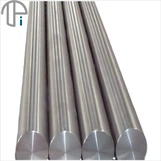
As a reputable titanium wire supplier, I often get asked about the various applications of titanium wire. One question that comes up frequently is whether titanium wire can be used in water treatment applications. In this blog post, I'll delve into this topic, exploring the properties of titanium wire that make it suitable (or not) for water treatment, and the potential applications where it can be effectively utilized.
Properties of Titanium Wire Relevant to Water Treatment
Titanium is a remarkable metal known for its exceptional corrosion resistance, high strength - to - weight ratio, and biocompatibility. These properties are particularly important when considering its use in water treatment.
Corrosion Resistance
One of the most significant advantages of titanium wire in water treatment is its outstanding corrosion resistance. In many water treatment scenarios, the water can be highly corrosive due to the presence of various chemicals such as chlorine, acids, and alkalis. Titanium forms a passive oxide layer on its surface when exposed to oxygen. This oxide layer is extremely stable and protective, preventing the underlying metal from reacting with the corrosive agents in the water. For example, in seawater, which contains a high concentration of salt and other corrosive substances, titanium wire can withstand long - term exposure without significant corrosion. This makes it a reliable material for components in water treatment systems that come into contact with aggressive water environments.


High Strength - to - Weight Ratio
Titanium has a high strength - to - weight ratio, which means it can provide the necessary mechanical strength while being relatively lightweight. In water treatment plants, where large - scale equipment is often required, using lightweight materials like titanium wire can reduce the overall weight of the system. This not only simplifies the installation process but also reduces the energy consumption associated with moving and operating the equipment. For instance, in filtration systems, titanium wire can be used to construct frames or support structures that need to withstand mechanical stress without adding excessive weight.
Biocompatibility
Biocompatibility is another crucial property of titanium. In water treatment, especially in applications related to drinking water, it is essential that the materials used do not introduce harmful substances into the water. Titanium is non - toxic and does not react with biological organisms in the water. This makes it suitable for use in water treatment processes where maintaining water quality and protecting public health are of utmost importance.
Potential Applications of Titanium Wire in Water Treatment
Filtration Systems
Titanium wire can be used in the construction of filtration media. For example, it can be woven into fine meshes to create filters. These filters can be used to remove particulate matter, sediment, and even some microorganisms from the water. The high corrosion resistance of titanium ensures that the filters can operate effectively in different water conditions, including those with high levels of dissolved solids or corrosive chemicals. The Titanium Welded Wire can be particularly useful in this application as it provides a strong and stable structure for the filtration mesh.
Electrochemical Water Treatment
In electrochemical water treatment processes, such as electro - coagulation and electro - oxidation, titanium wire can serve as electrodes. Titanium electrodes are coated with a thin layer of precious metals or metal oxides to enhance their electrochemical activity. When an electric current is applied, these electrodes can remove contaminants from the water through various electrochemical reactions. For example, in electro - coagulation, the titanium electrodes can generate metal hydroxides that can trap and remove suspended solids and heavy metals from the water. The AWS A5.16 Titanium Welding Wire can be used to fabricate these electrodes, ensuring a high - quality and reliable connection.
Aeration Systems
Aeration is an important process in water treatment, which helps to increase the oxygen content in the water and promote the growth of beneficial microorganisms. Titanium wire can be used to construct aeration diffusers. These diffusers are designed to release air bubbles into the water in a controlled manner. The high strength and corrosion resistance of titanium wire ensure that the diffusers can withstand the mechanical stress and the corrosive environment in the water. The Titanium Wire In Coil can be easily shaped into the required forms for aeration diffusers.
Challenges and Considerations
While titanium wire offers many advantages for water treatment applications, there are also some challenges and considerations.
Cost
Titanium is generally more expensive than other metals commonly used in water treatment, such as stainless steel. The higher cost can be a significant barrier for some water treatment projects, especially those with tight budgets. However, it's important to consider the long - term benefits. The superior corrosion resistance of titanium means that the components made from titanium wire may have a longer service life, reducing the need for frequent replacements and maintenance costs in the long run.
Fabrication Difficulty
Titanium can be more difficult to fabricate compared to other metals. Specialized equipment and techniques are often required for cutting, welding, and forming titanium wire. This can increase the complexity and cost of the manufacturing process. However, as a professional titanium wire supplier, we have the necessary expertise and equipment to handle these fabrication challenges and provide high - quality titanium wire products tailored to the specific needs of water treatment applications.
Conclusion
In conclusion, titanium wire can indeed be used in water treatment applications. Its corrosion resistance, high strength - to - weight ratio, and biocompatibility make it a suitable material for a variety of water treatment processes, including filtration, electrochemical treatment, and aeration. Although there are challenges such as cost and fabrication difficulty, the long - term benefits often outweigh these drawbacks.
If you are involved in a water treatment project and are considering using titanium wire, I encourage you to contact us for more information. Our team of experts can provide you with detailed product specifications, technical support, and pricing options. We are committed to helping you find the best titanium wire solutions for your water treatment needs.
References
- ASM Handbook Committee. (2000). ASM Handbook, Volume 2: Properties and Selection: Nonferrous Alloys and Special - Purpose Materials. ASM International.
- Callister, W. D., & Rethwisch, D. G. (2017). Materials Science and Engineering: An Introduction. Wiley.
- Kirk - Othmer Encyclopedia of Chemical Technology. (2007). John Wiley & Sons.