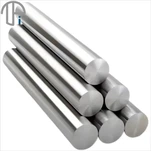
Titanium Block For Medicial

Titanium blocks for medical applications are commonly used as raw materials for manufacturing various medical implants and devices due to titanium's exceptional biocompatibility, corrosion resistance, and strength-to-weight ratio.Key grades for medical use include Grade 5 (Ti-6Al-4V) and Grade 23 (Ti-6Al-4V ELI,Extra Low Interstitial).These grades provide enhanced biocompatibility and superior mechanical properties, making them ideal for long-term contact with human tissues.
Titanium Blocks for Medical Applications:
Biocompatibility
Titanium seamlessly integrates with bone and tissues, minimizing the risk of rejection.
Corrosion Resistance
Highly resistant to body fluids and various chemicals, a critical attribute for medical implants.
High Strength
Facilitates the creation of durable, lightweight implants that are easily supported by the body.
Non-toxic and Non-allergenic
Perfect for individuals with metal allergies.
Common Uses of Titanium Blocks in Medicine:
Orthopedic Devices
Includes joint replacements, bone plates, and screws.
Dental Procedures
Beneficial for dental screws and frameworks due to its biocompatibility.
Surgical Tools
Utilized for lightweight, corrosion-resistant surgical instruments.
Titanium Grades Suitable for Medical Purposes
1. Grade 5 (Ti-6Al-4V)
Composition: Consists of 6% aluminum, 4% vanadium, with the remainder being titanium.
Characteristics: Known for its strength, lightness, and durability, this alloy boasts exceptional corrosion resistance and biocompatibility.
Usage: Predominantly employed in orthopedic implants and medical instruments due to its robust nature and manageable weight.
2. Grade 23 (Ti-6Al-4V ELI)
Composition: Analogous to Grade 5 but features Extra Low Interstitial elements, which lower oxygen content to boost ductility and toughness.
Characteristics: Delivers superior biocompatibility and fatigue strength, rendering it perfect for implants subjected to high stress.
Applications: Mainly utilized in load-bearing implants like hip and knee replacements, along with dental implants.
3. Grade 1 and Grade 2 (Commercially Pure Titanium)
Characteristics: These grades are unalloyed, offering less strength but enhanced ductility and corrosion resistance.
Usage: Typically selected for devices where maximum biocompatibility is paramount and high strength is not essential, such as bone plates and certain surgical tools.
Specifications for Medical Titanium Blocks
1. Dimensional Specifications
Standard Sizes
Medical-grade titanium blocks are generally manufactured to customizable dimensions tailored to the precise requirements of device manufacturers.
Typical Dimensions
These range from small 20x20x10 mm blocks suitable for intricate machining tasks, up to larger 100x100x50 mm blocks designed for substantial components.
Tolerance Levels
Adherence to strict tolerances is standard, typically within ±0.1 mm or tighter, ensuring precision crucial for medical applications.
2. Surface Characteristics
Surface Roughness
The surface roughness (Ra) of medical titanium blocks usually falls between 0.2 and 0.8 micrometers, varying with the intended application. A smoother surface on implants can improve biocompatibility and minimize bacterial adhesion.
Surface Treatments:
Anodizing: Strengthens the oxide layer, thereby enhancing corrosion resistance.
Polishing: Often employed on dental implants to achieve a mirror finish, which facilitates sterilization.
Acid Etching: Commonly used on bone-anchoring implants to increase surface texture, promoting better bone integration.
3. Regulatory Compliance and Certifications
ISO Standards:
ISO 5832-2 and ISO 5832-3: These standards outline the chemical composition, mechanical properties, and biocompatibility criteria for pure titanium and titanium alloys in surgical implants.
ISO 10993: This suite encompasses a series of biocompatibility tests that medical-grade materials, including titanium, must pass.
ASTM Standards:
ASTM F67: Pertains to unalloyed titanium used in surgical implants, particularly relevant for Grade 1 and Grade 2 titanium.
ASTM F136: Specifies titanium alloys such as Ti-6Al-4V (Grade 5 and Grade 23) for surgical implant applications.

Medical-grade titanium blocks, especially those in Grade 5 (Ti-6Al-4V) and Grade 23 (Ti-6Al-4V ELI), are extensively utilized in the fabrication of implants and surgical instruments. Their high biocompatibility, strength, and resistance to corrosion make them ideal for these applications. These materials adhere to stringent standards such as ISO 5832 and ASTM F136, ensuring both durability and safety.These blocks are packaged in sterile environments and come with certificates of conformity, making them well-suited for high-stakes medical applications. If you need more information on any specific aspect, feel free to contact us!
Tag:Titanium Block For Medicial, Medical Titanium Block,implants,surgical instruments,F67 Titanium Block,F136 Titanium Block,Gr23 Titanium Block,6Al4V ELI Titanium Block
Hot Tags: titanium block for medicial, China titanium block for medicial manufacturers, suppliers, factory, titanium DIN7991 screws, Grade 1 Titanium Mesh, alloy titanium bar, TC4 6AL 4V Titanium Rods, Titanium Welded Tube For Petroleum, Gr2 Titanium Hexagon Bar