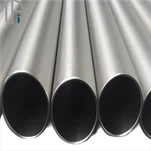
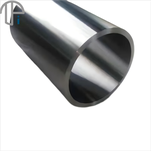
In the field of electroplating applications, the required coated metal is dissolved in the electrolyte, the plated metal matrix is used as a negative electrode, and the anode is used as a positive electrode, that is, a complete current transmission cycle is formed. The chemical reaction that occurs in the plating bath at the same time as electroplating is the precipitation of oxygen on the anode surface.
Products Description
1. Type of titanium anode for electroplating
- Titanium Anode coated with Precious Metal Oxide(DSA anode) : This type of anode is coated with a layer of precious metal oxide (such as Ruthenium, Iridium, Tantalum Oxide, etc.) on the titanium substrate, which has high catalytic activity and corrosion resistance, and is often used in the chlor-alkali industry, electrolytic hydrogen production, wastewater treatment and other fields.
- Titanium Anode with Platinum-plated : A thin layer of Platinum is plated on the surface of titanium substrate. Platinum has excellent corrosion resistance and catalytic properties, and is suitable for high-demand electroplating processes.
- Titanium Anode with Gold-plated: A layer of Gold plating on the titanium substrate is mainly used for very high precision plating processes, although the cost is high, but can provide extremely excellent electrochemical performance.
2. Compared with the conventional electroplating with lead anode advantages:
1) Low tank voltage, low energy consumption
2) The rate of electrode loss is small and the size is stable
3) The corrosion resistance of the electrode is good, and the insolubility does not pollute the tank liquid, which makes the performance of the coating more reliable.
4) The titanium anode uses a new type of material and structure, which greatly reduces its weight and facilitates daily operation
5) Long service life, and the matrix can be reused, saving costs
6) The oxygen evolution overpotential is about 0.5V lower than that of the lead alloy insoluble anode, which reduces the tank voltage and energy consumption.
3. Electrochemical performance and life test (reference HG/T2471-2007 Q/CLTN-2012)
| Name | Enhanced weight loss mg | Polarizability mv | Oxygen evolution/chlorine potential V | Test condition |
|
Titanium substrate Iridium-Tantalum coated |
≤10 | <40 | <1.45 | 1mol/L H2SO4 |
|
Titanium substrate Ruthenium-Iridium coated |
≤10 | <40 | <1.13 | 1mol/L H2SO4 |
|
Titanium substrate Platinum plating |
≤1 | <40 | <1.75 | 1mol/L H2SO4 |
In the field of electroplating applications, the required coated metal is dissolved in the electrolyte, the plated metal matrix is used as a negative electrode, and the anode is used as a positive electrode, that is, a complete current transmission cycle is formed. The chemical reaction that occurs in the plating bath at the same time as electroplating is the precipitation of oxygen on the anode surface.
4. Product background and introduction:
Compared with non-inert anodes such as graphite, the advantage of titanium anodes is that they can maintain a stable distance between positive and negative electrodes (distance between electrodes) during their service life. Graphite anodes gradually dissolve in use, resulting in an increased distance between electrodes, while inert titanium anodes ensure stable voltage and product quality. Due to the catalytic characteristics of platinum group elements, the exchange current density value of the electrode surface is large, the overpotential of oxygen precipitation is low, and a special process is specially used to make a fine-structure oxide film on the surface of titanium, and a large active surface area is obtained in the area of the unit electrode, so it is particularly suitable for high-speed and high current density electroplating production.
In addition to titanium anodes and graphite, lead anodes can also be used in this field. However, when lead anodes dissolve, their reactants can have a negative impact on the environment. These problems can be avoided if titanium anodes are used. The titanium oxide evolution anode has a lower operating voltage, which can also save energy.
Another advantage of using a titanium anode is that the titanium matrix can be reused. When the titanium anode coating reaches its useful life, anodized aluminum foil is a material commonly used in the lithography industry. It works on the same principle as the electroplating process, where a thin layer of metal is coated on the surface of the base metal. By placing aluminum in the anode state, the surface of aluminum oxidizes. After the anodizing (oxidation) process of aluminum, the surface of aluminum can be better bonded to the photosensitive coating used in the lithography industry. In the electroplating metal industry, anodes are used to plate a variety of different substrates, from small batch production of jewelry to continuous large-scale production of electroplated steel plates. The company's anode products help to achieve the diversification of the plating substrate, and its diversification is also reflected in the diversification of the company's anode products.
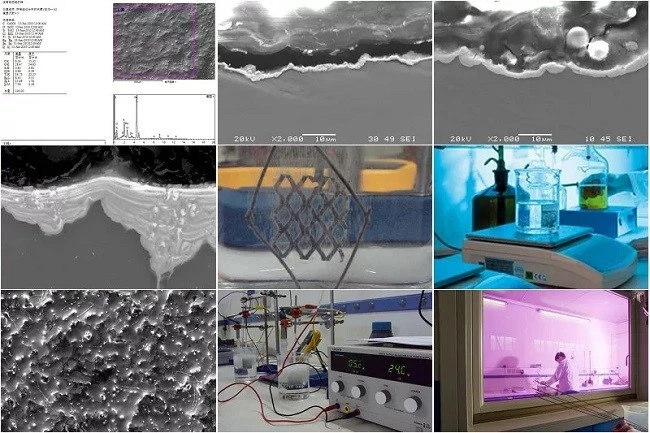
Test of Titanium Anode/Electrode
Application field
- Electrogalvanizing, nickel, copper: Titanium anode in galvanizing, nickel plating, copper plating and other traditional plating processes, can provide stable current output, improve plating quality.
- Electroplating of precious metals: When electroplating of precious metals such as silver and platinum, the use of titanium anode can significantly improve the uniformity and adhesion of the coating.
- Wastewater treatment: The application of titanium anode in electrochemical wastewater treatment can effectively remove organic matter and heavy metal ions in water.
- Electrolytic hydrogen production, chlor-alkali industry: The application of titanium anode in the electrolytic water hydrogen production and chlor-alkali industry has extremely high efficiency and long life.
lf you have any further questions, please feel free to contact us on line or by email.
Hot Tags: titanium anode, China, manufacturers, suppliers, factory, customized,Titanium anode for electroplating,Electrogalvanizing, nickel, copper,Electroplating of precious metals,Wastewater treatment,Electrolytic hydrogen production, chlor-alkali industry
Hot Tags: Titanium Anode For Electroplating,Electrolytic Hydrogen production,Chlor-Alkali industry, China Titanium Anode For Electroplating,Electrolytic Hydrogen production,Chlor-Alkali industry manufacturers, suppliers, factory, Titanium Flange, ASTM B348 titanium rod, Forged Gr5 Titanium Stepped Hollow Shaft, Grade 2 Titanium Sheet Titanium Plates, Titanium Square Bar, polished titanium rod